Everycityhastwostories.Bangkoktaughtmetolook.TheSamnaktaughtmetoseetheotherone.
Following Thailand's sacred tattoo masters became an unexpected lesson in perception, belonging, and the traditions that reveal themselves only with time.

Every city introduces itself twice.
The first time you arrive in a new city, you believe you understand it. You learn the train lines, memorize a few street names, find your favorite coffee shop, and discover which neighborhoods come alive after sunset. You visit the landmarks that appear in every guidebook and photograph the places that have become symbols of the destination itself. Before long, you begin speaking about the city with a quiet confidence, recommending restaurants to friends, navigating without maps, and feeling less like a visitor than when you first stepped off the plane.
It is a familiar feeling, and a deceptive one. Cities have a remarkable way of convincing us that what we see is all there is. They reveal enough of themselves to make us comfortable, but rarely enough to make us understand them. The streets become familiar before their stories do. Buildings become recognizable before their histories become meaningful. Everyday routines begin to feel ordinary long before we appreciate the traditions that shaped them. We mistake familiarity for understanding because the surface is often easier to interpret than the layers beneath it.
Bangkok is no different.
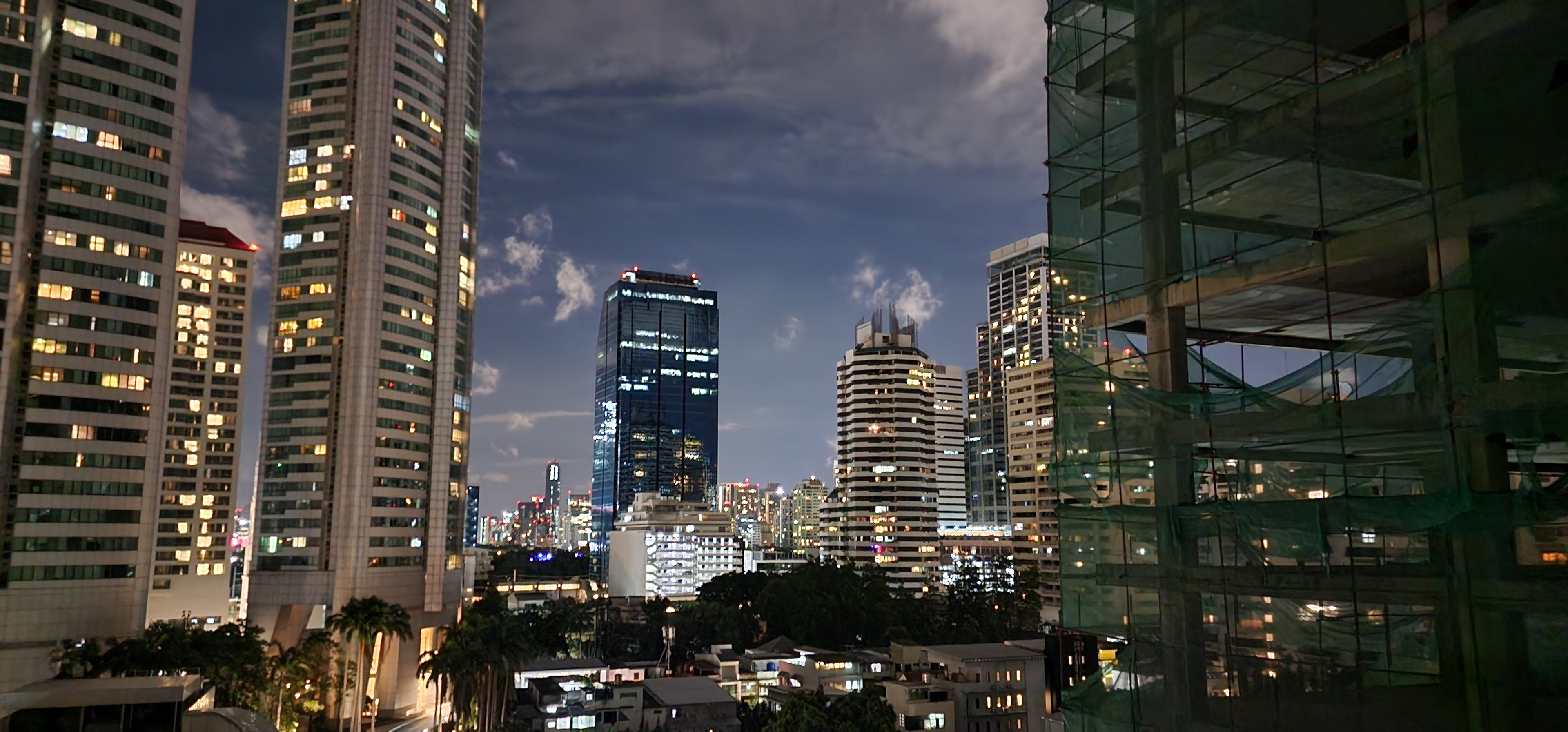
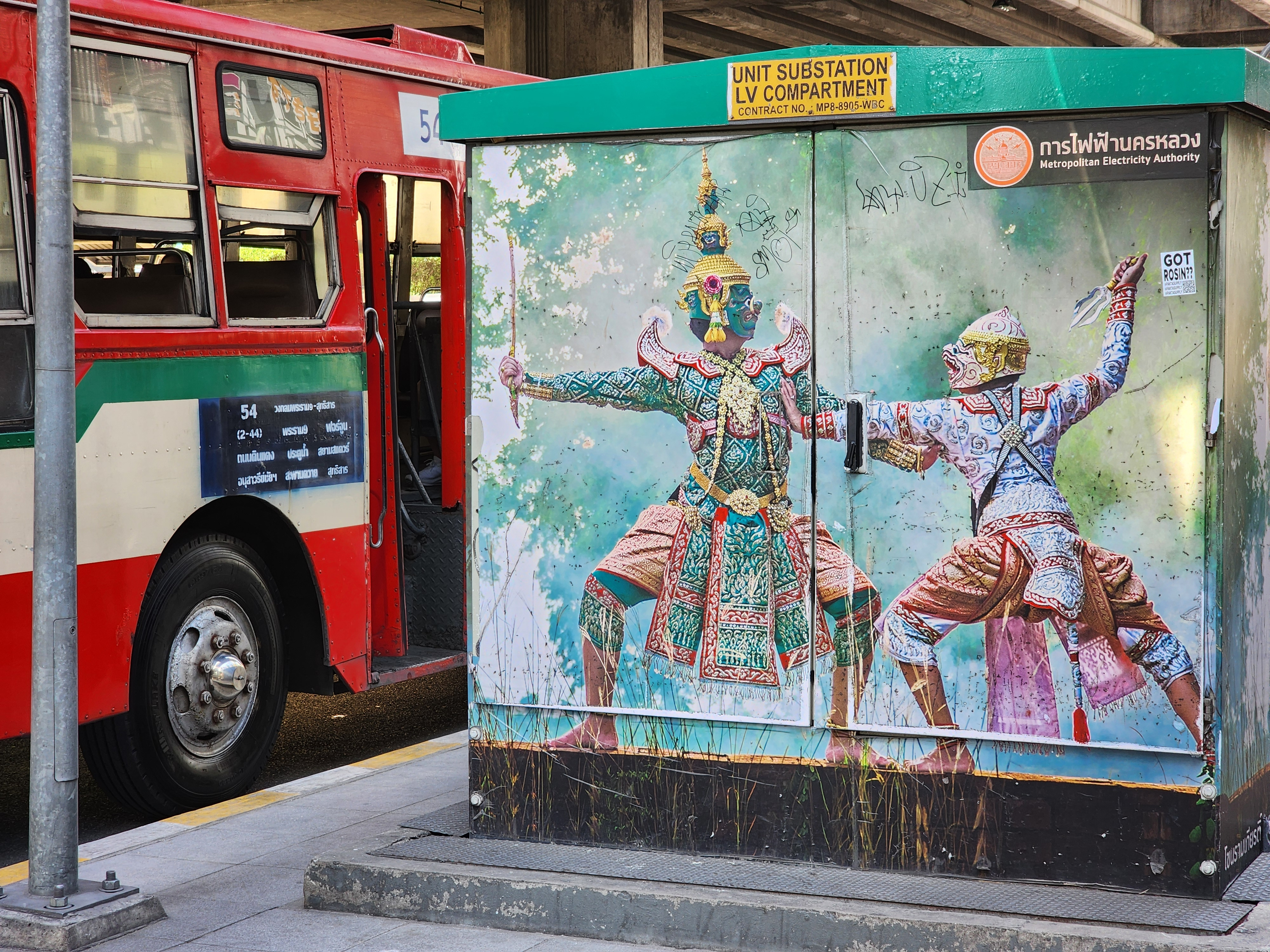
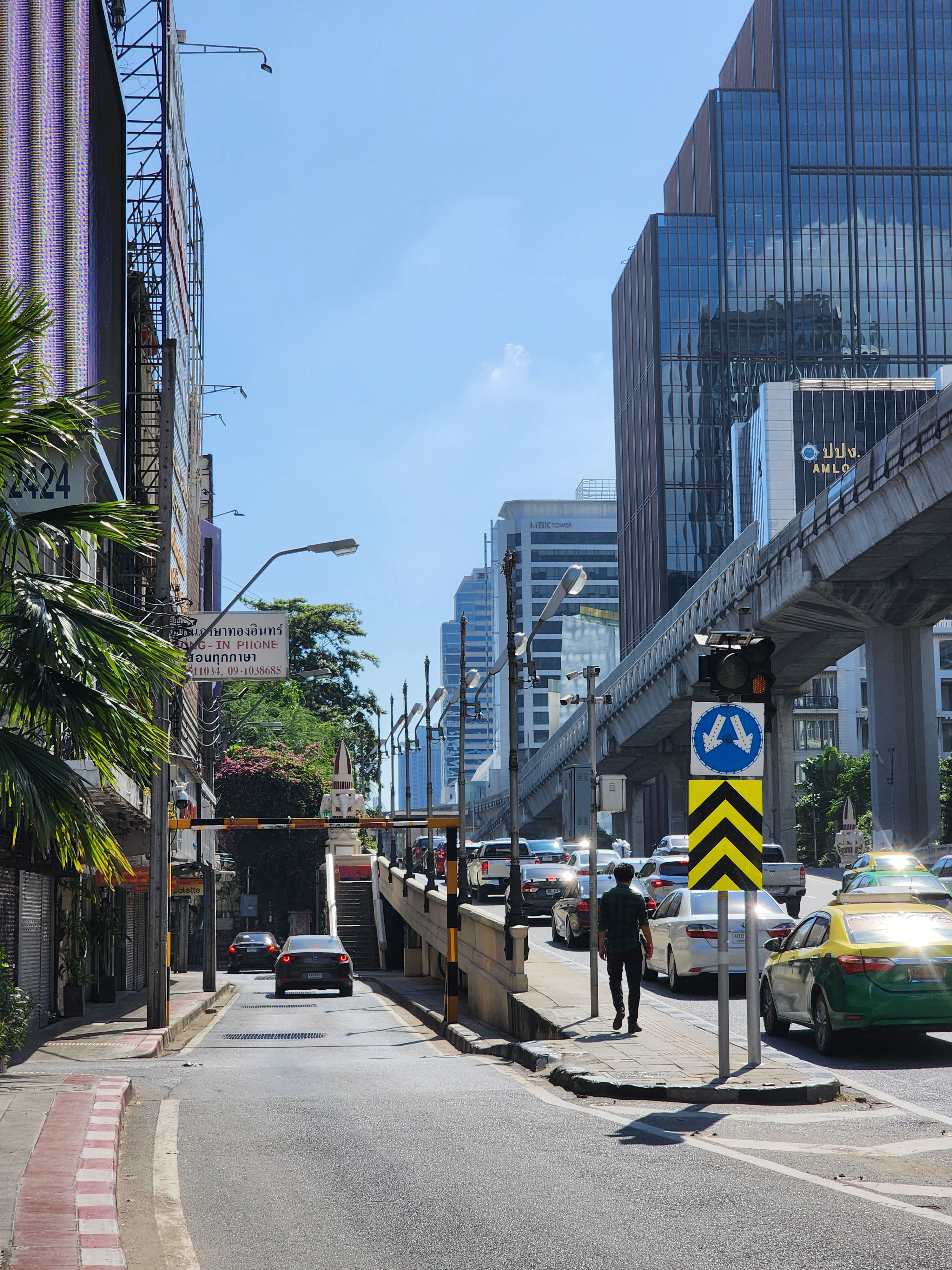
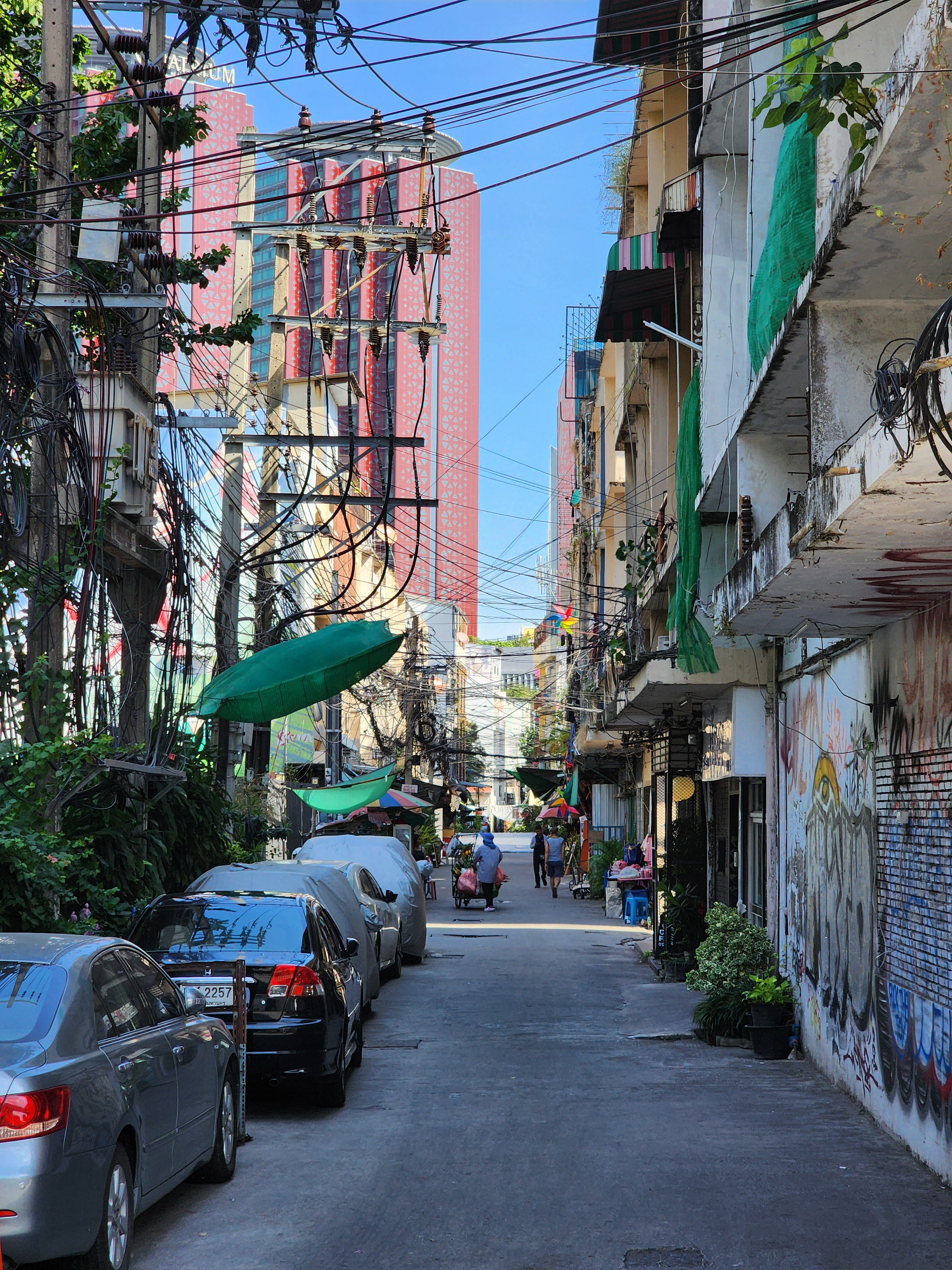
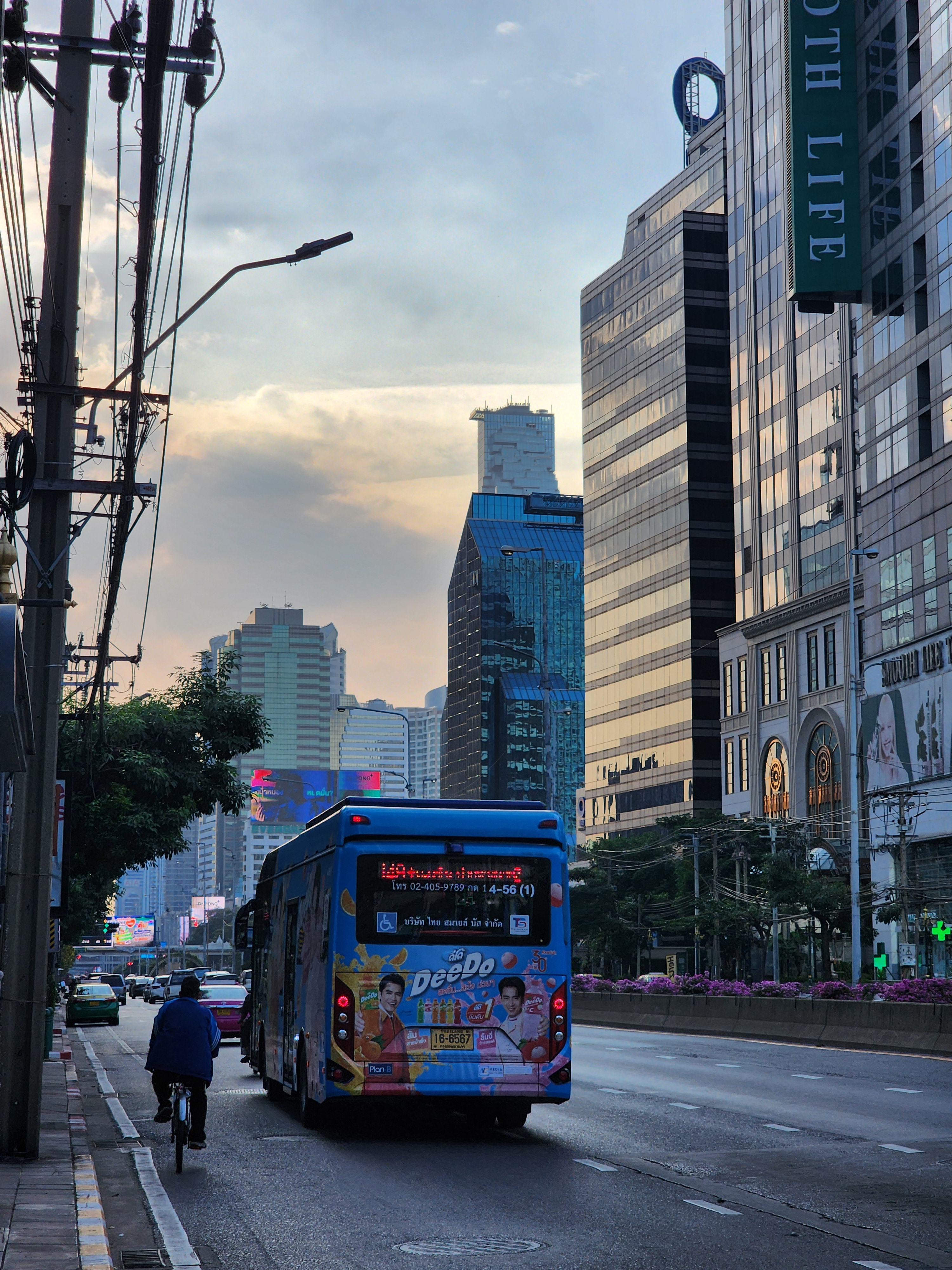
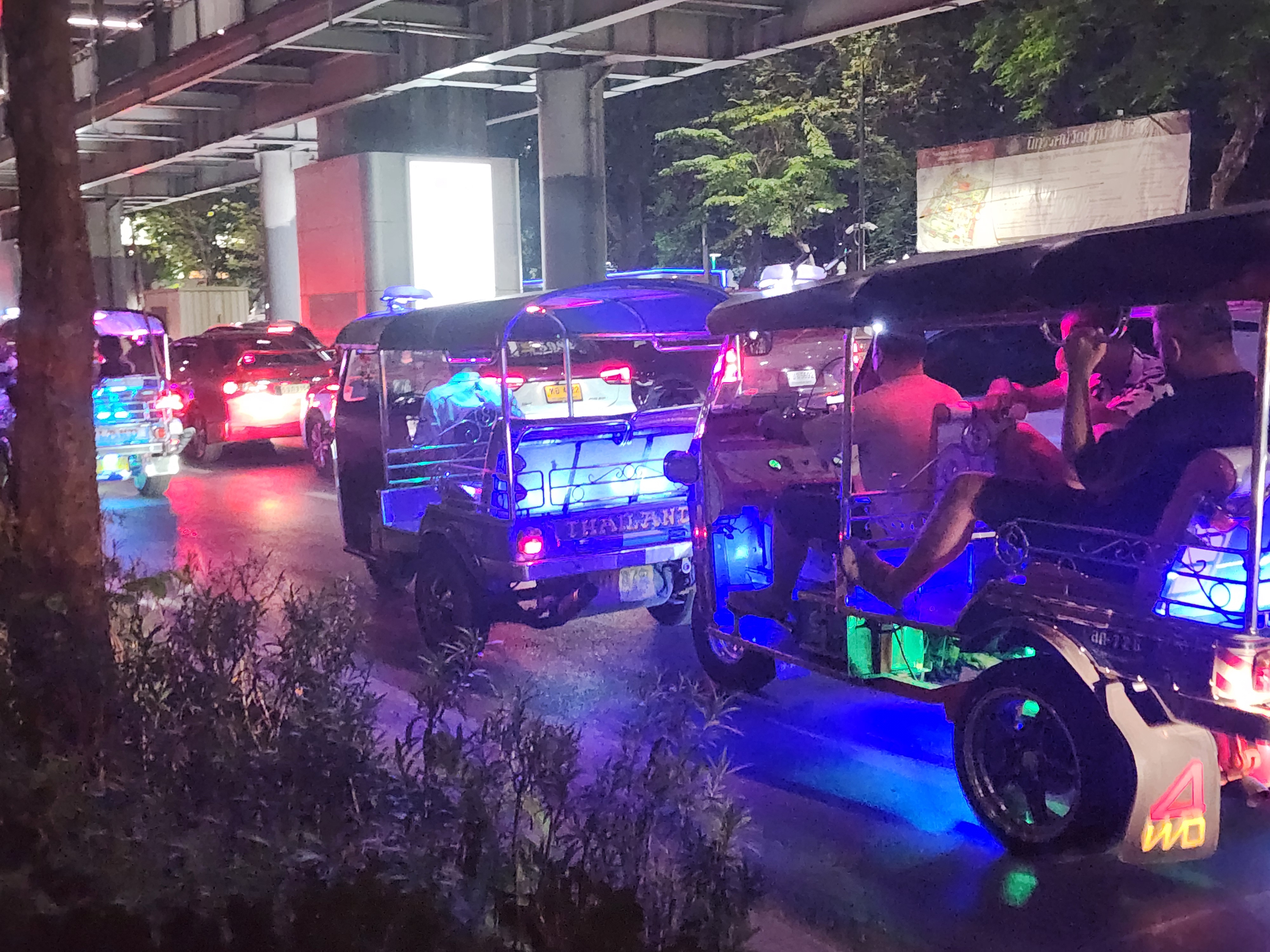
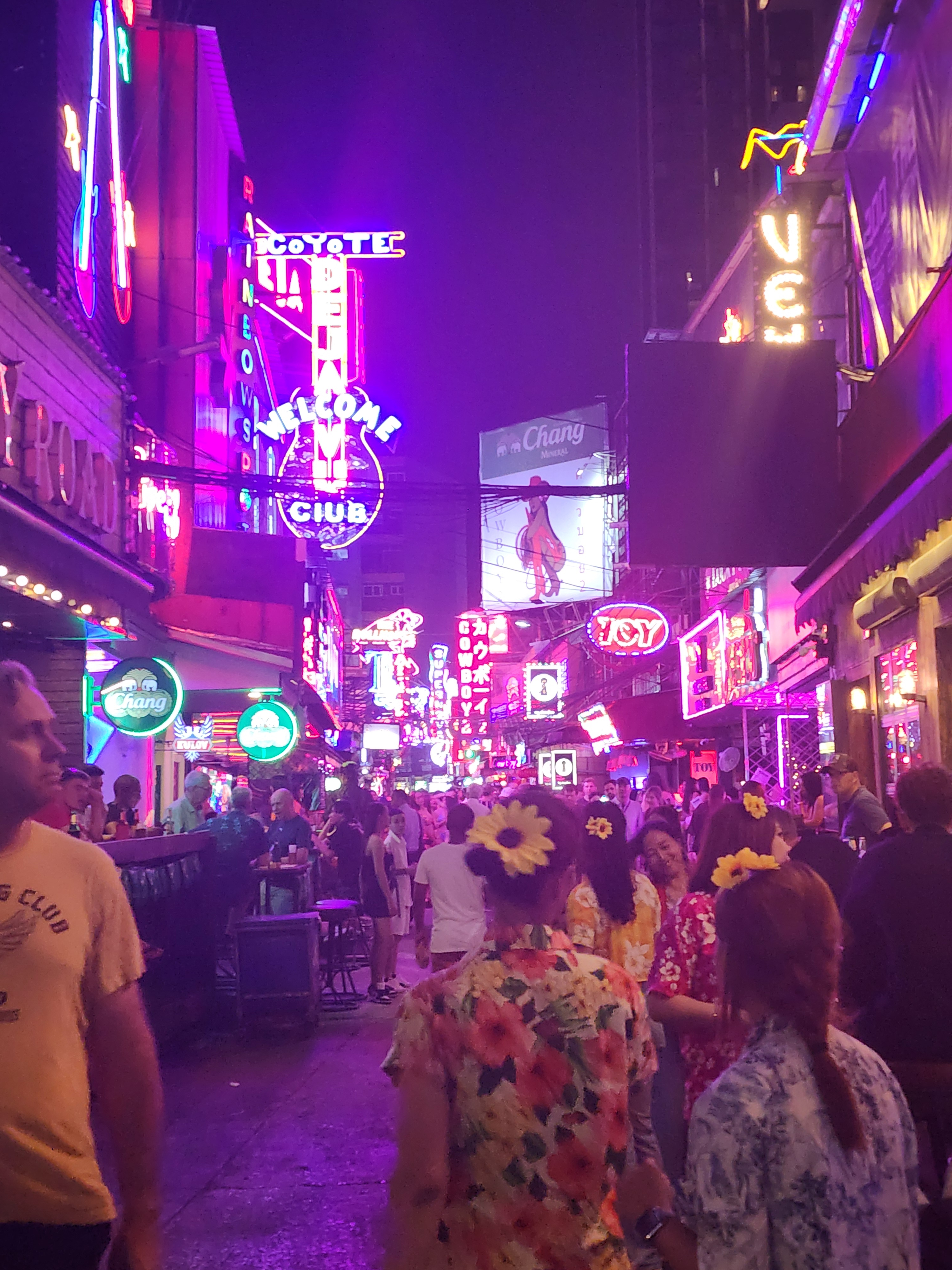
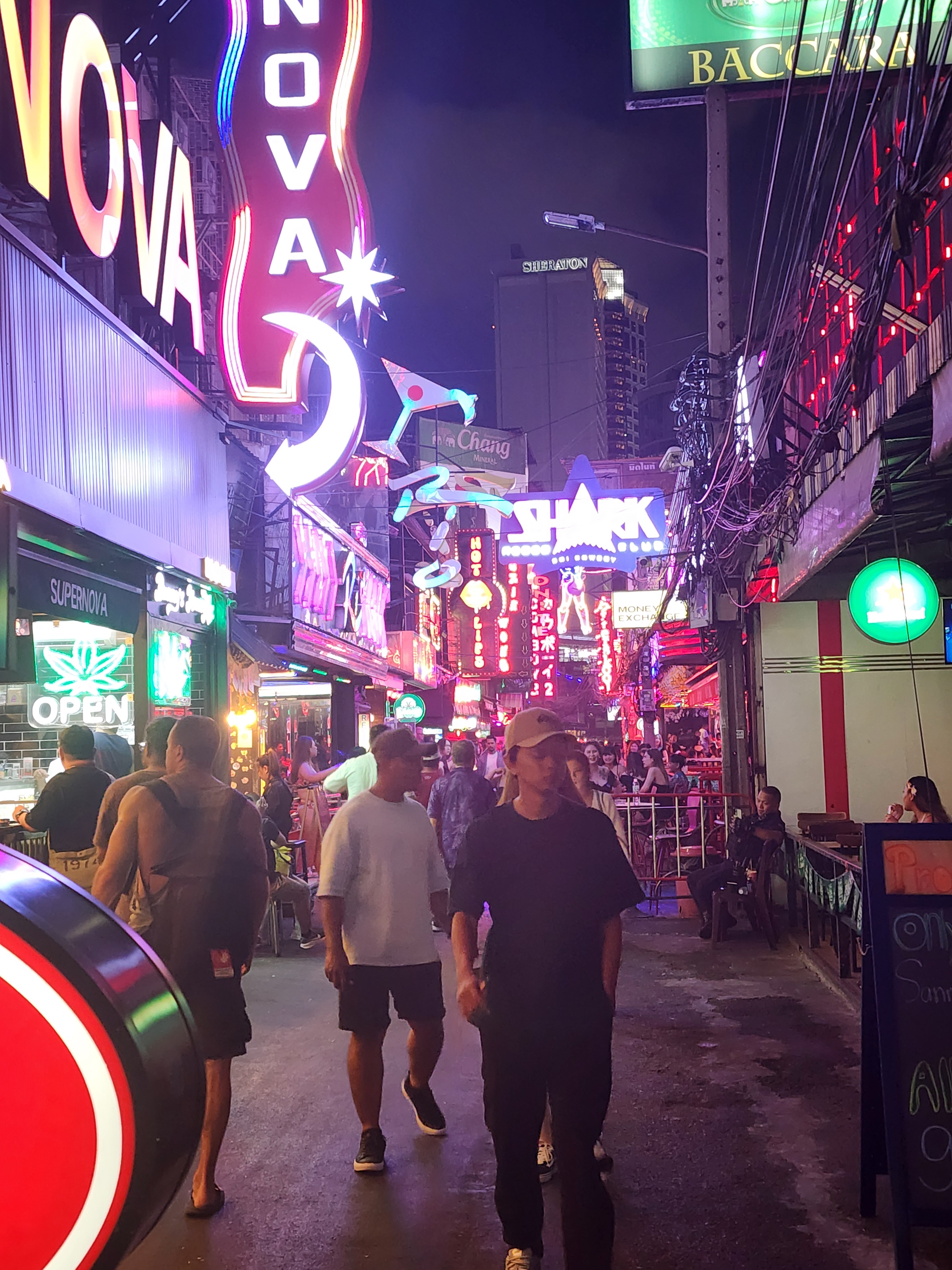
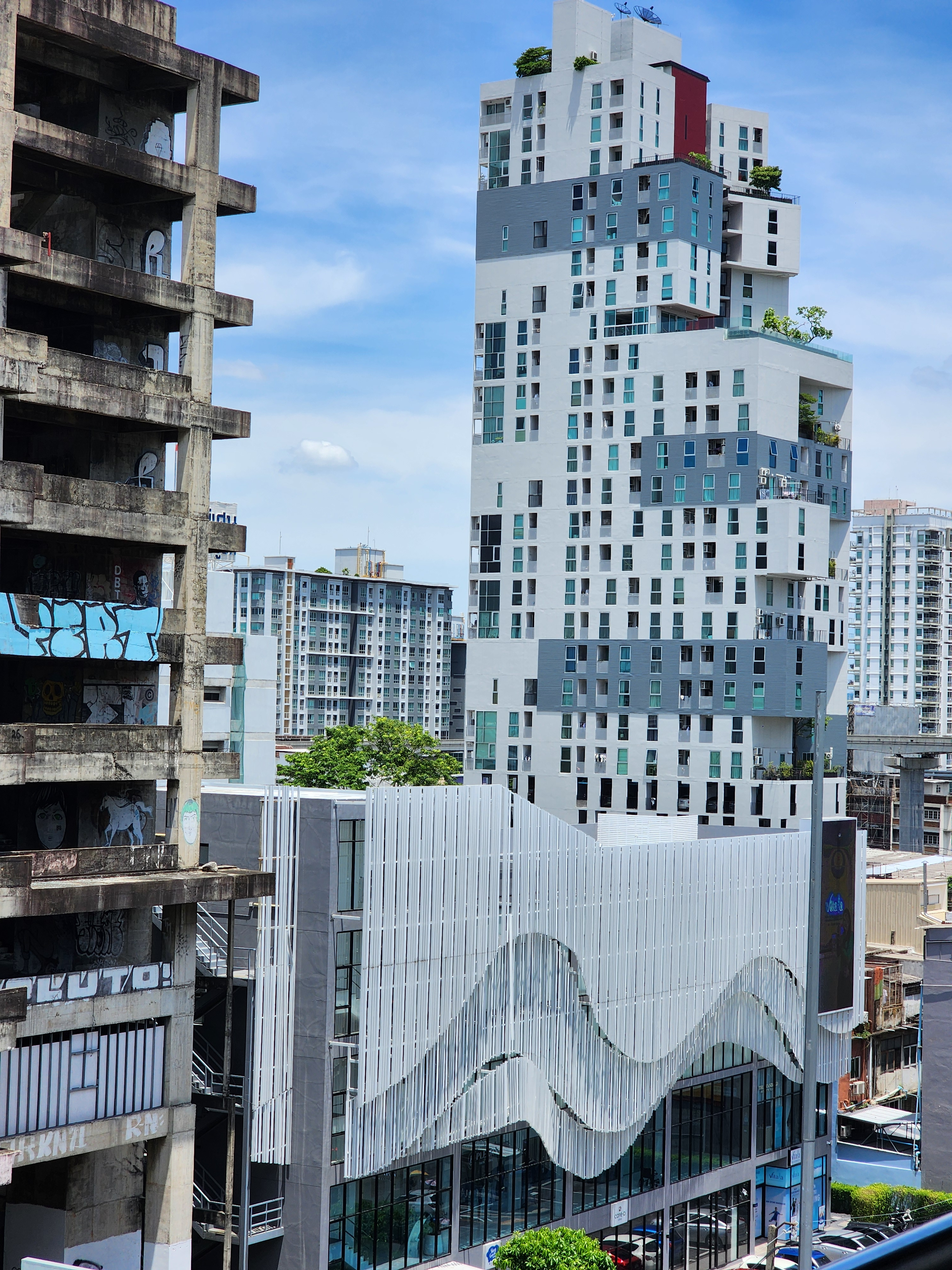
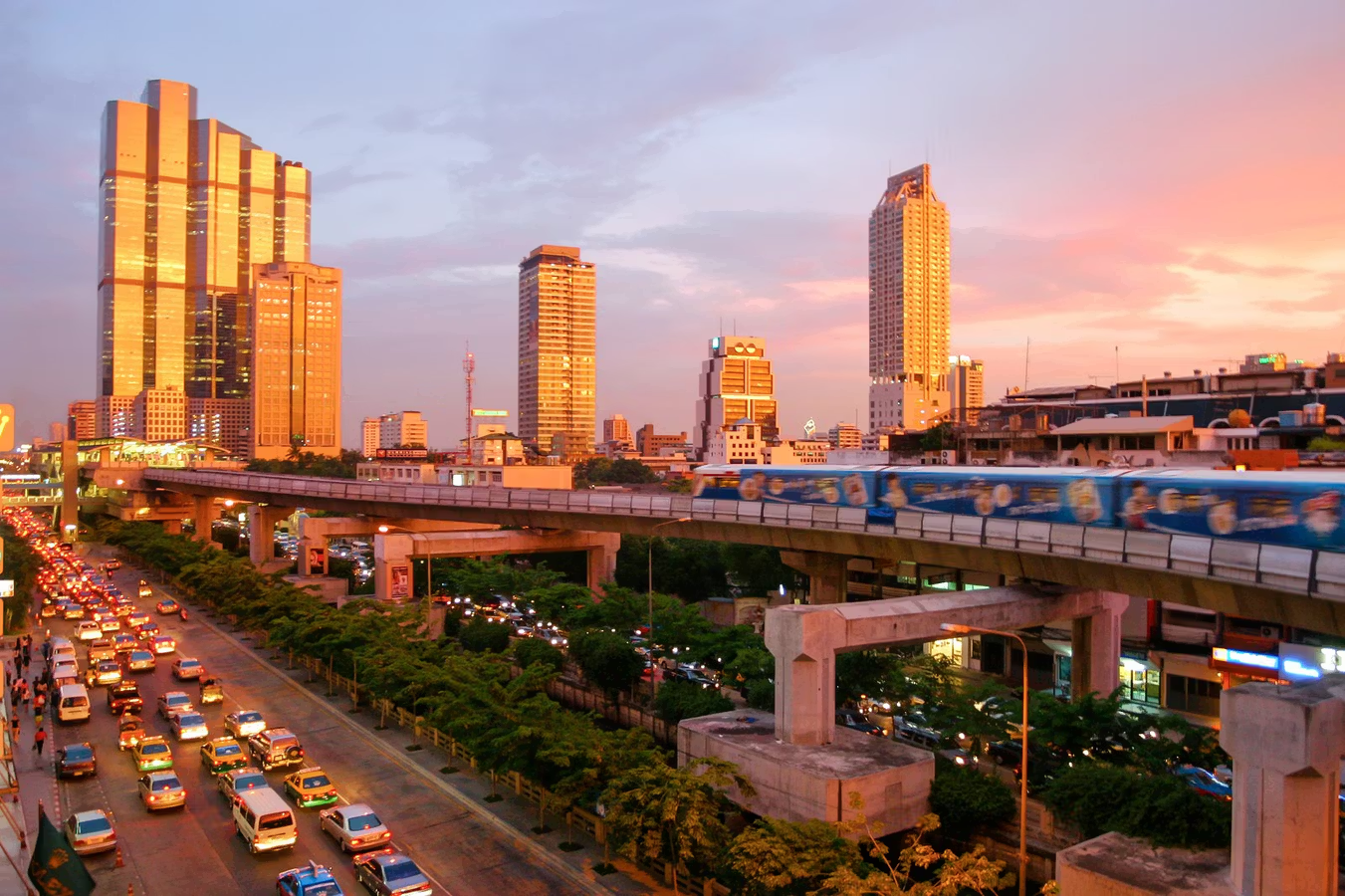
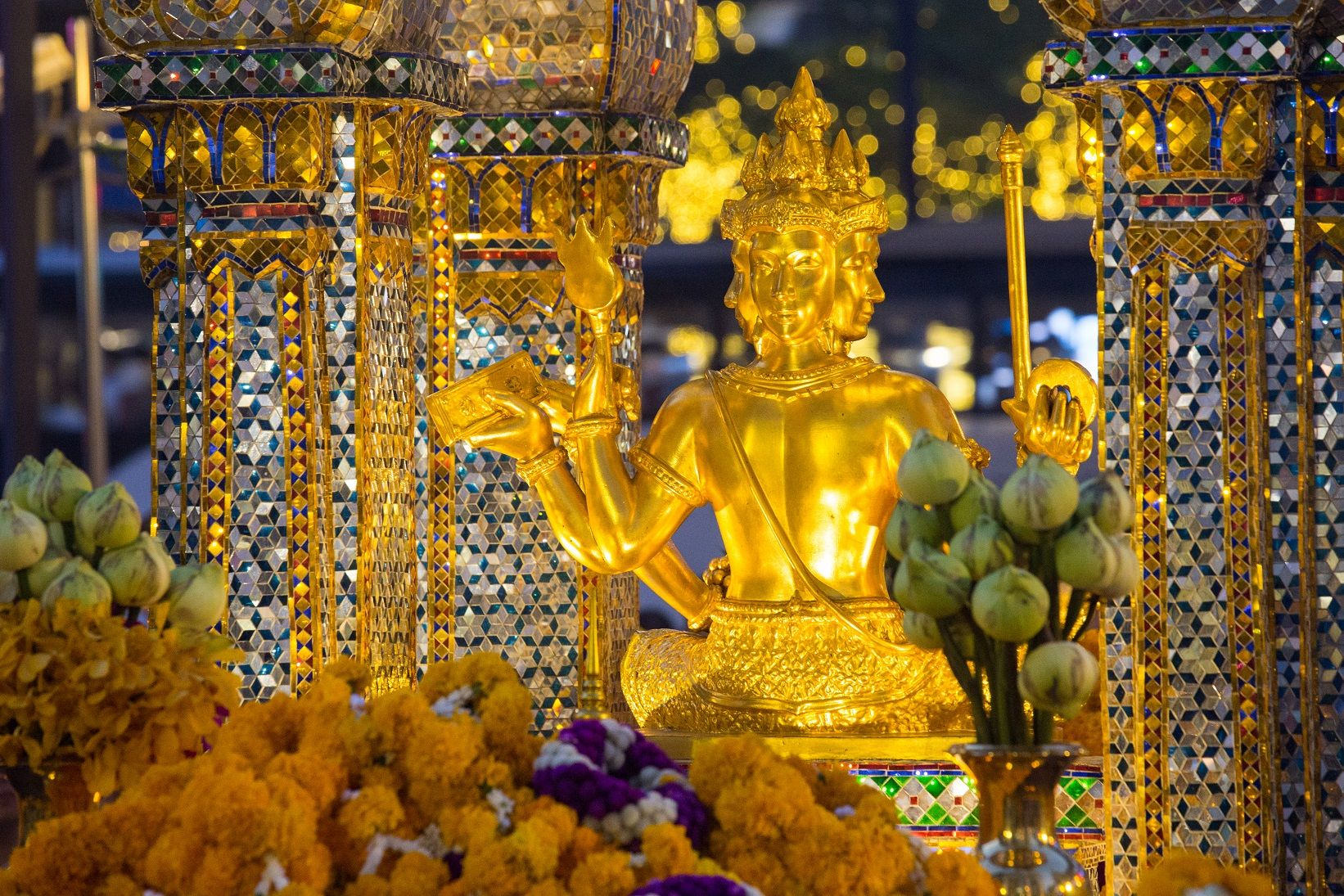
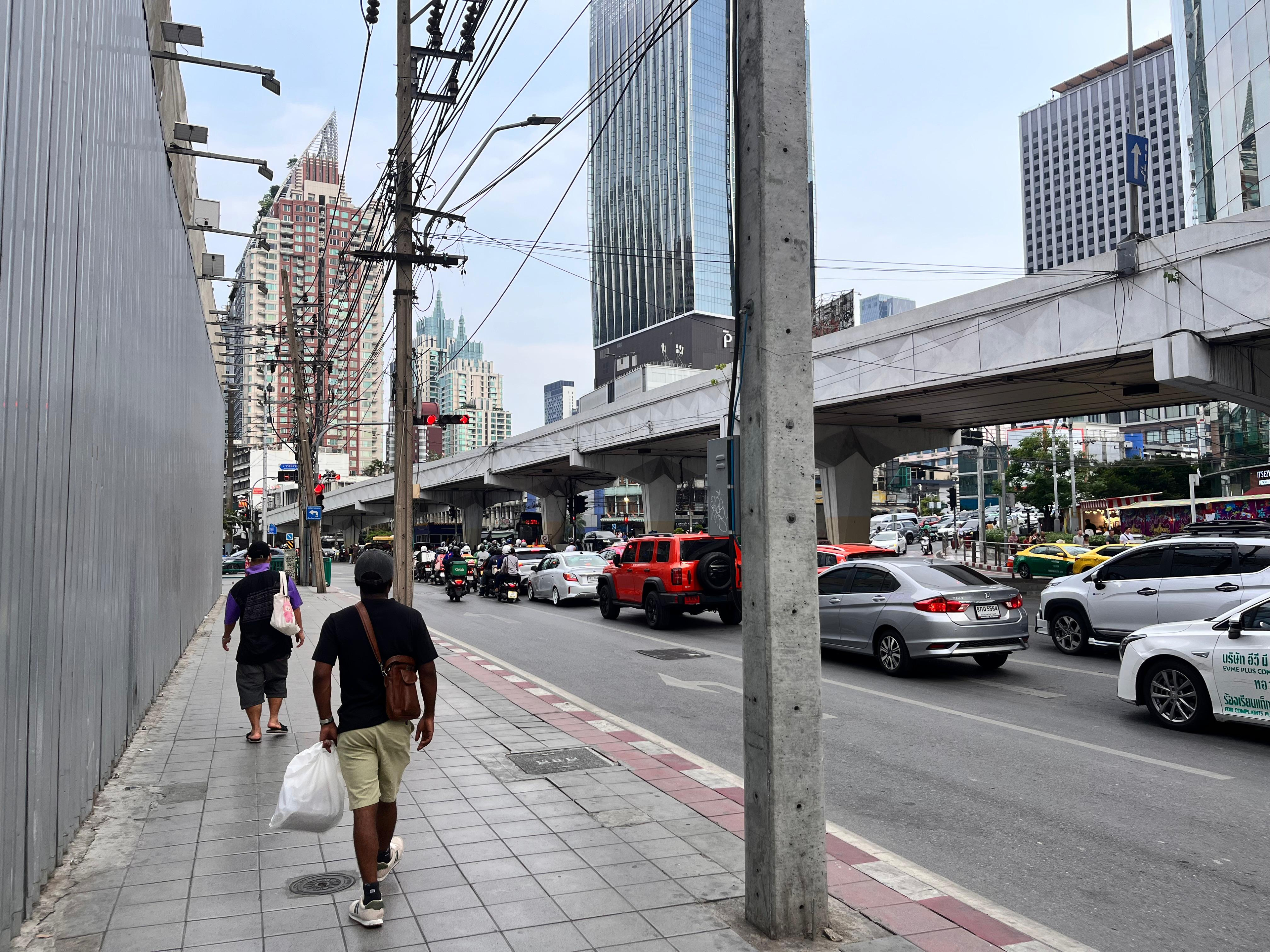
To most visitors, Bangkok announces itself with energy. The skyline stretches across the horizon, where glass towers stand alongside golden temple spires that have watched over the city for centuries. Motorcycles weave effortlessly through traffic. Food vendors prepare meals from recipes passed down through generations. Orange-robed monks walk quietly along crowded sidewalks while office workers rush toward the BTS Skytrain, moving between worlds that seem to exist simultaneously. The city never appears to stop. It simply changes rhythm as the day unfolds.
It is a city that rewards observation. Or so I thought. Like many people arriving in Thailand, I spent my first months learning how to navigate the visible city. I learned where people gathered after work, which cafés offered a quiet place to write, and which neighborhoods carried a different atmosphere after dark. I noticed details that tourists often overlooked, and with each passing week I felt increasingly connected to the place around me.
Yet there was something I failed to notice despite seeing it almost every day.
Tattoos.
They were everywhere. They appeared on motorcycle taxi riders waiting patiently at street corners, on market vendors arranging fresh produce before sunrise, on Muay Thai fighters preparing for competition, on construction workers taking a break from the afternoon heat, and even on people who otherwise blended effortlessly into the crowd. At first, they seemed like any other tattoos, expressions of identity, memory, or personal taste, no different from those found in cities around the world.
I looked at them. I never truly saw them. That distinction only became clear much later. One of the most remarkable things about culture is that it rarely announces itself. The traditions that define a place are often hidden in plain sight, woven so deeply into everyday life that the people who belong there no longer think to explain them. They are not performances staged for visitors or attractions designed for tourists. They exist because they have always existed, quietly shaping communities long after cameras have been packed away and travel itineraries forgotten. As outsiders, we often miss these moments because we are searching for something else. We chase landmarks instead of local rituals. We collect photographs instead of conversations. We become fluent in directions while remaining strangers to the meanings carried by the people walking beside us.
Every city has two stories.
The first story is the one anyone can experience. It lives in architecture, famous streets, popular attractions, and familiar images repeated across travel magazines and social media. This is the version of a city that introduces itself quickly. It is welcoming, accessible, and easy to understand because it asks very little of the observer beyond looking.
The second story is quieter. It exists in traditions that continue without seeking attention. It lives in ceremonies, symbols, beliefs, habits, and customs that outsiders often mistake for ordinary parts of everyday life. This story cannot be discovered by moving faster or seeing more places. It reveals itself only through patience, curiosity, and the willingness to admit that seeing is not the same as understanding. That realization changed the way I thought about travel. The value of travel is often measured by distance. How many countries have you visited? How many landmarks have you seen? How many photographs did you bring home? These questions reduce experience to a checklist, rewarding movement more than understanding. Yet the places that stay with us long after we leave are rarely defined by their monuments. They are remembered because someone invited us beyond the surface and into a story we could never have found on our own.
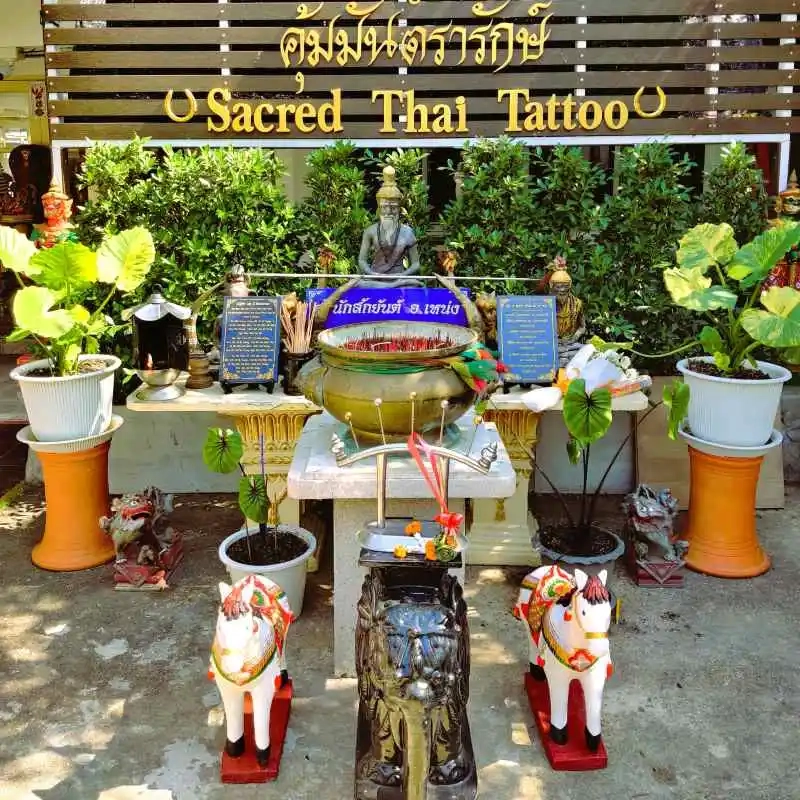
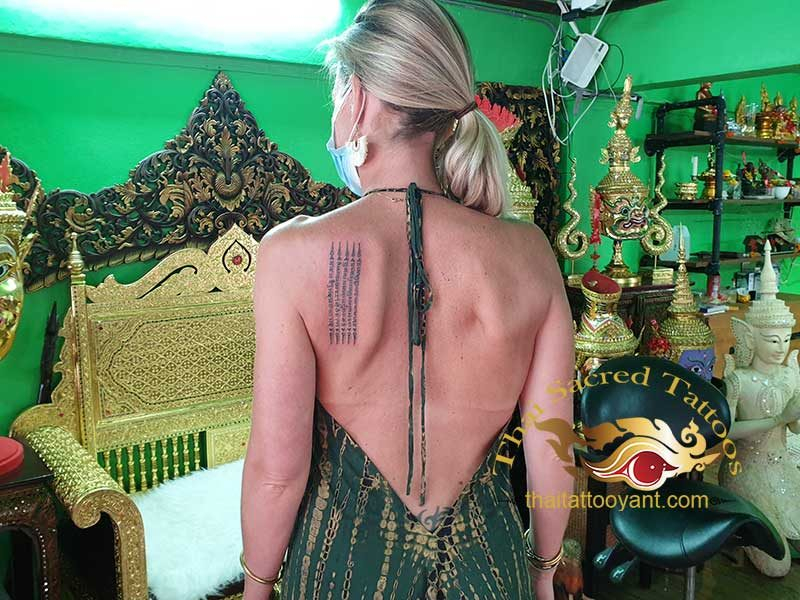
For me, that invitation came through an unexpected place. Not a museum. Not a temple. Not a famous market. It came through the doors of a Samnak, a traditional space where Thailand's sacred tattoo masters continue a practice that has endured for centuries. What began as curiosity about Sak Yant soon became something much larger. The tattoos were only the visible expression of a deeper tradition rooted in lineage, ritual, belief, and community. They were a language I had been looking at for months without realizing I had never learned to read it.
Walking into the Samnak did not simply teach me about Sak Yant. It challenged the way I understood Bangkok itself. The city outside had not changed. The streets were the same. The people were the same. The tattoos I had passed countless times were still there. The difference was that I finally understood there was another story unfolding beneath the one I thought I already knew. And once you learn to recognize a city's second story, you begin to wonder how many others have been waiting patiently, hidden in plain sight, all along.
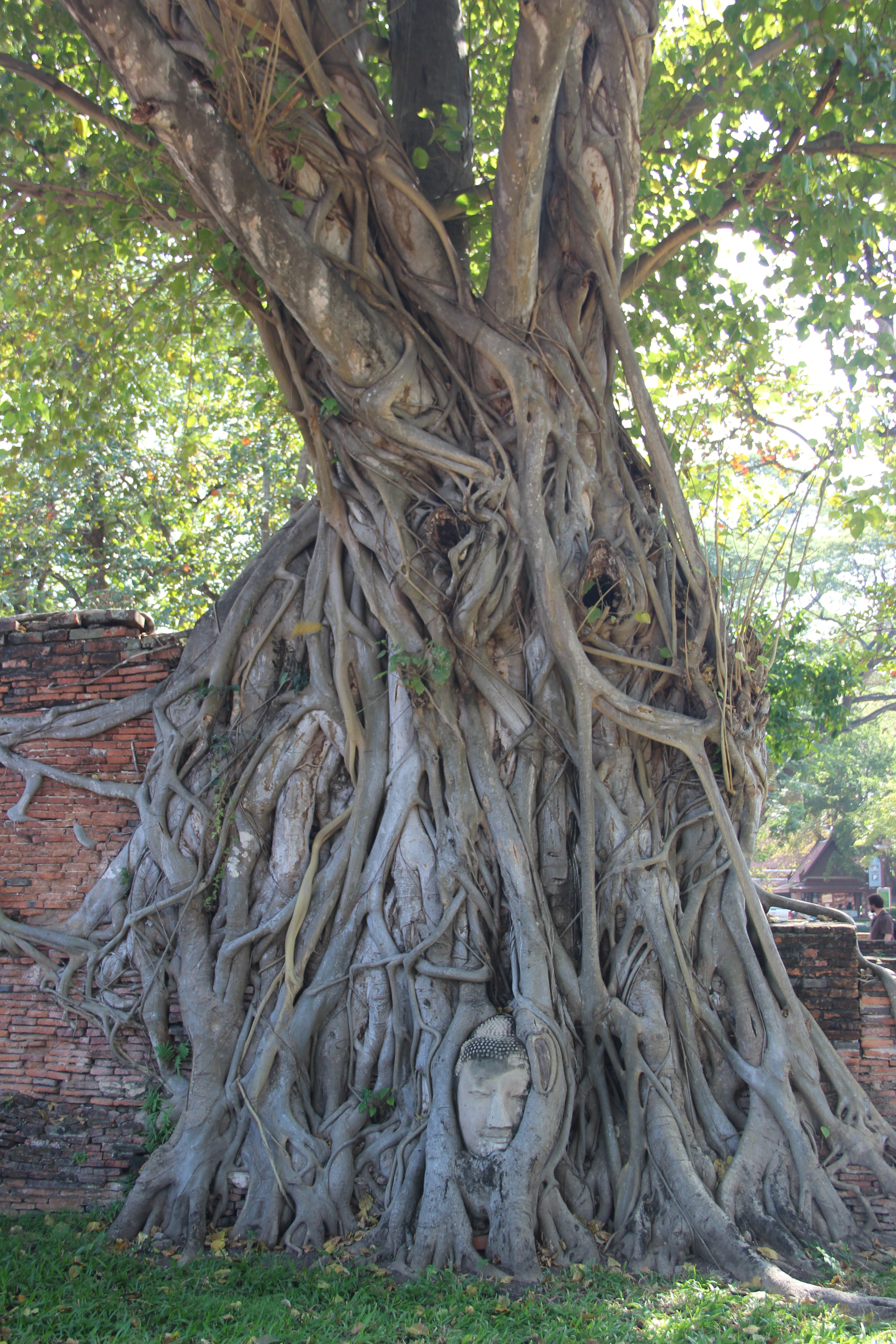
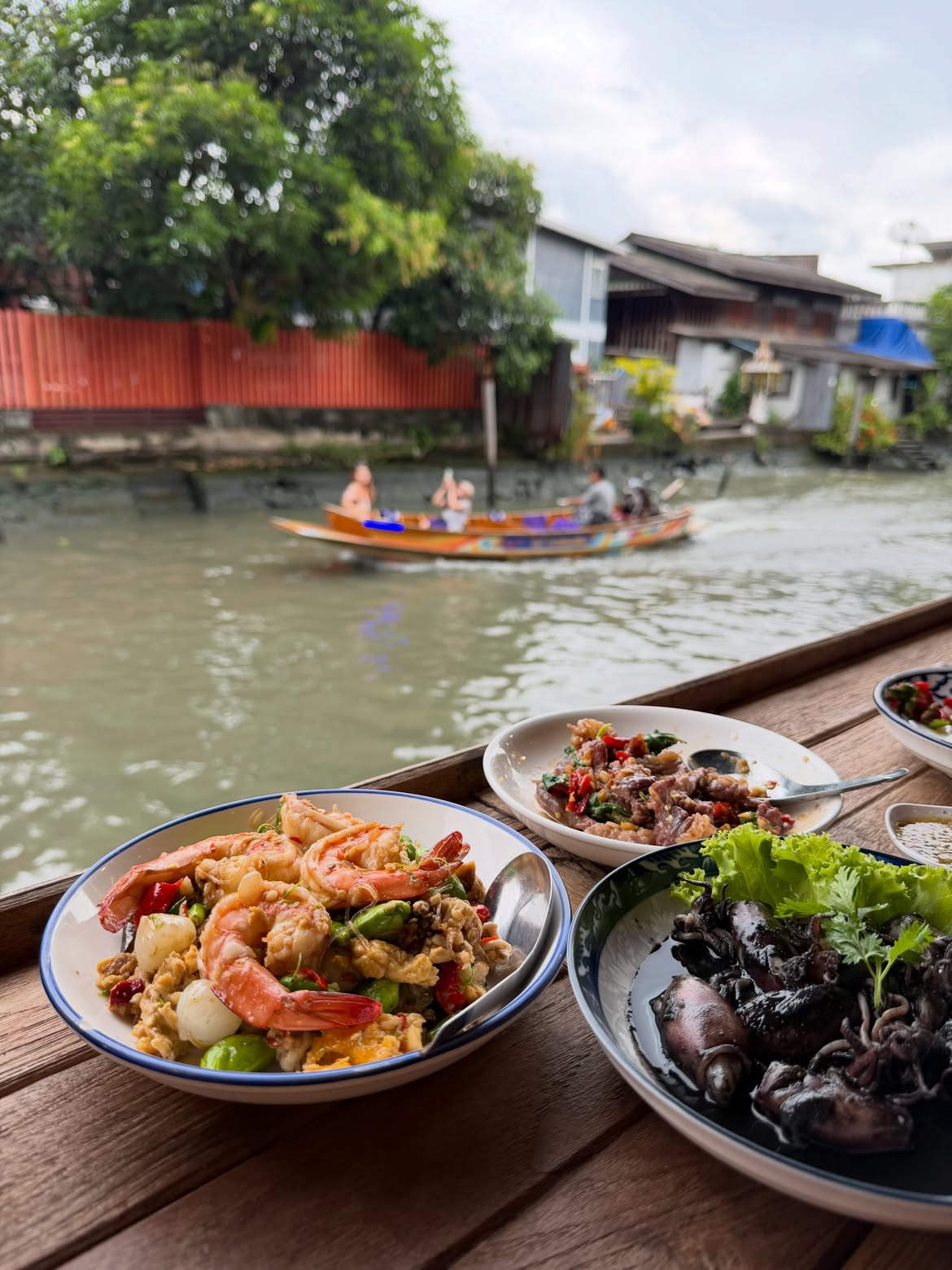
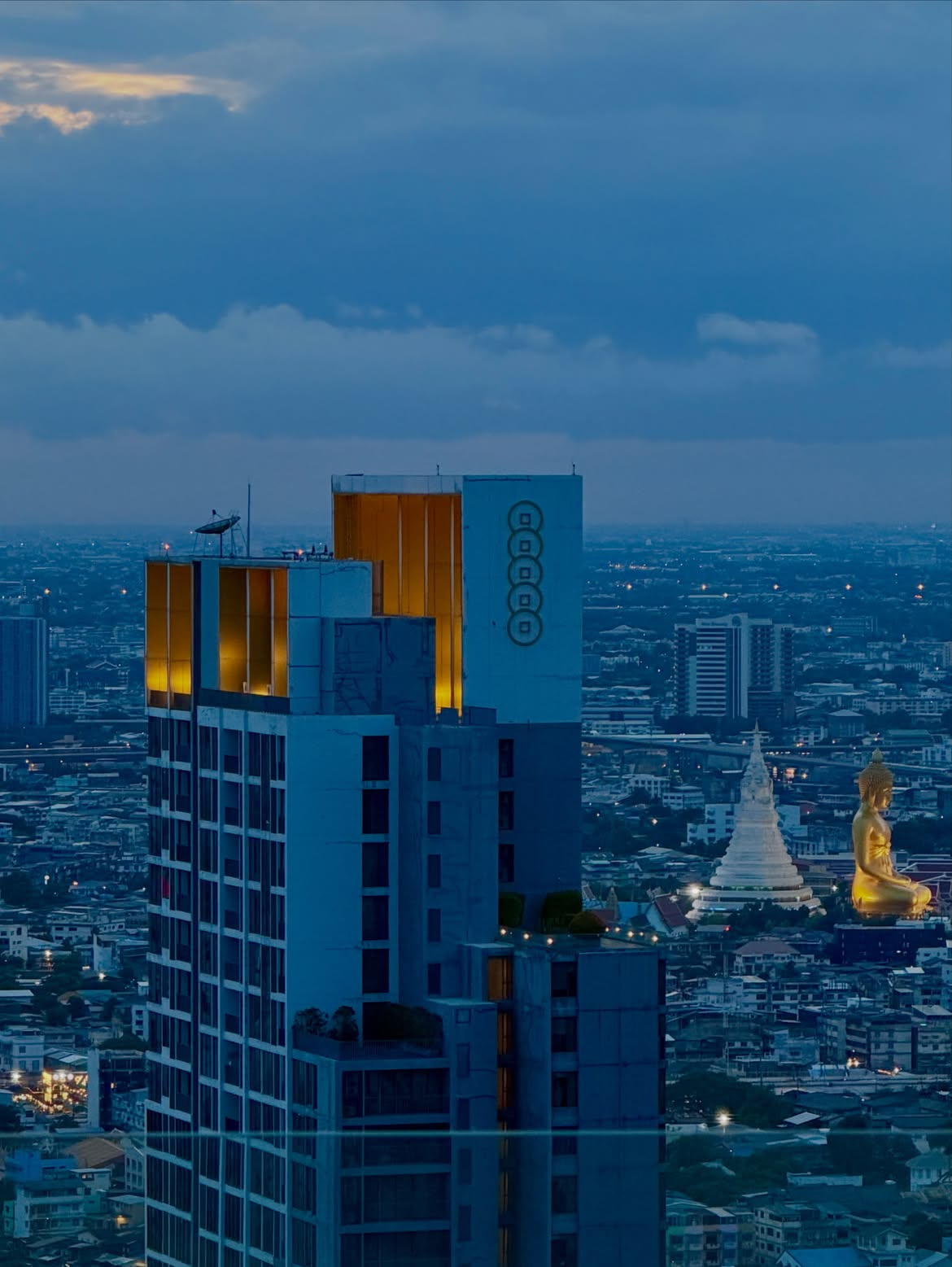

The language written beneath the skin.
The first lesson the Samnak teaches is that symbols are never as simple as they appear. We often assume that seeing something is the same as understanding it. A tattoo is a tattoo. A temple is a temple. A ceremony is a ceremony. We label what we see, file it into familiar categories, and move on. It is an efficient way to make sense of the world, but it also prevents us from asking the questions that lead to genuine understanding. Before I learned about Sak Yant, I understood tattoos through a lens that was familiar to me. They marked personal milestones, expressed individuality, commemorated memories, or reflected artistic preference. Across many parts of the world, tattoos have become deeply personal statements, each telling a story unique to the person wearing them. Naturally, I assumed the tattoos I saw across Bangkok carried similar meanings.
That assumption disappeared the moment I stepped inside the Samnak.
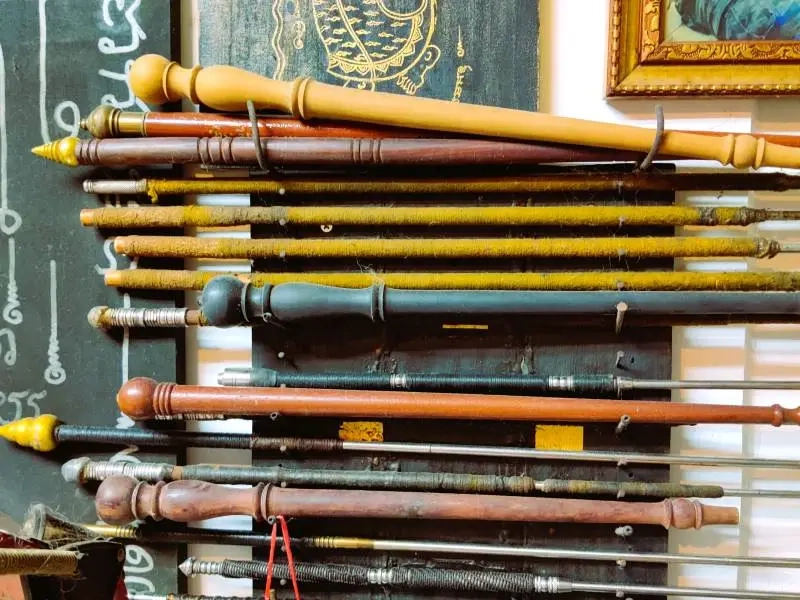
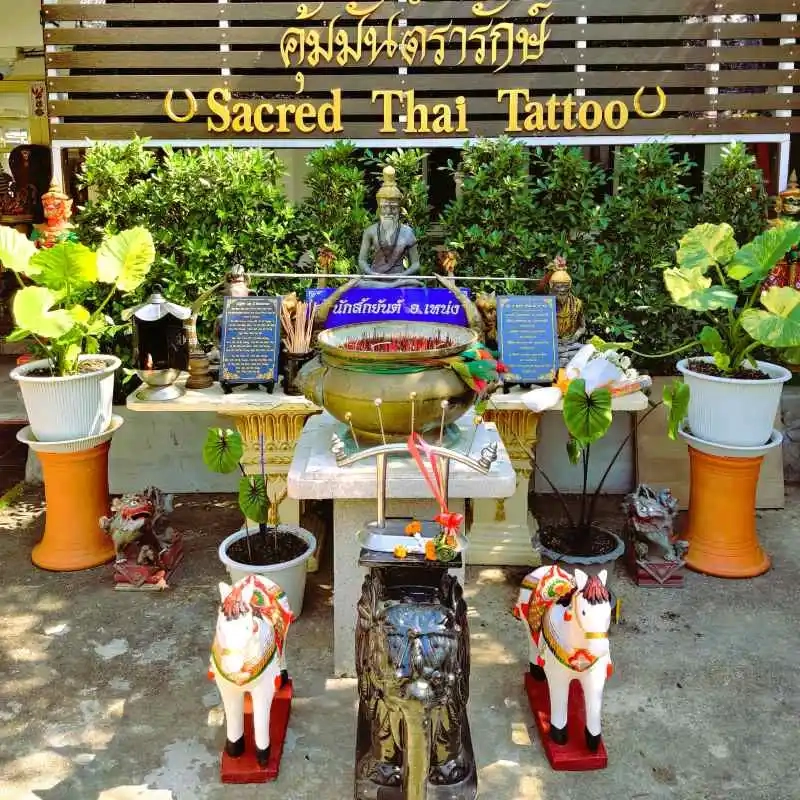
It became immediately clear that this was not a tattoo studio in the way most people would understand one. There were no walls covered in flash designs waiting to be selected, no catalog encouraging customers to choose an image based on aesthetics, and no sense that this was simply another creative service. The atmosphere demanded a different kind of attention. Conversations were quieter. Ritual carried as much importance as technique. Every object, every gesture, and every interaction suggested that something much older was taking place. The tattoo was only the final expression of a much larger tradition. Sak Yant exists at the intersection of spirituality, history, discipline, and cultural memory. The sacred geometric patterns, animal forms, and ancient scripts are not decorative illustrations. They carry teachings, blessings, intentions, and connections to lineages that have been preserved for generations. Each design represents more than visual composition. It reflects a relationship between teacher and student, between belief and practice, and between the individual and a tradition that existed long before either of them arrived.
That realization forced me to reconsider something much broader than tattoos. How often do we mistake symbols for their surface appearance? Every culture develops its own visual language. Some languages are written in architecture, where the shape of a roof or the direction a building faces carries meaning invisible to outsiders. Others exist in clothing, gestures, ceremonies, or food prepared according to customs that have survived for centuries. The symbols themselves are easy to observe. Understanding what they communicate is something entirely different. A visitor may admire a temple without understanding why it was built in a particular place. Someone might enjoy a traditional meal without knowing the history that shaped its ingredients. Another person may photograph a religious ceremony without recognizing that they are witnessing practices passed from one generation to the next through memory rather than books.
The observer sees an event. The participant sees a lifetime of meaning. That difference is not unique to Thailand. Every society possesses traditions that become invisible to the people who grow up surrounded by them. A grandmother's recipe, a wedding ritual, a local proverb, or a community celebration may appear ordinary to those who inherit it, yet extraordinary to someone encountering it for the first time. Culture rarely announces its significance because it assumes its audience already understands. The challenge belongs to the outsider. Learning another culture requires more than observation. It requires humility. It asks us to accept that our first interpretation is often incomplete. Instead of assuming we understand, we learn to ask why. Why is this done this way? Why has this tradition endured? Why does this symbol continue to matter?
Those questions transform observation into learning.
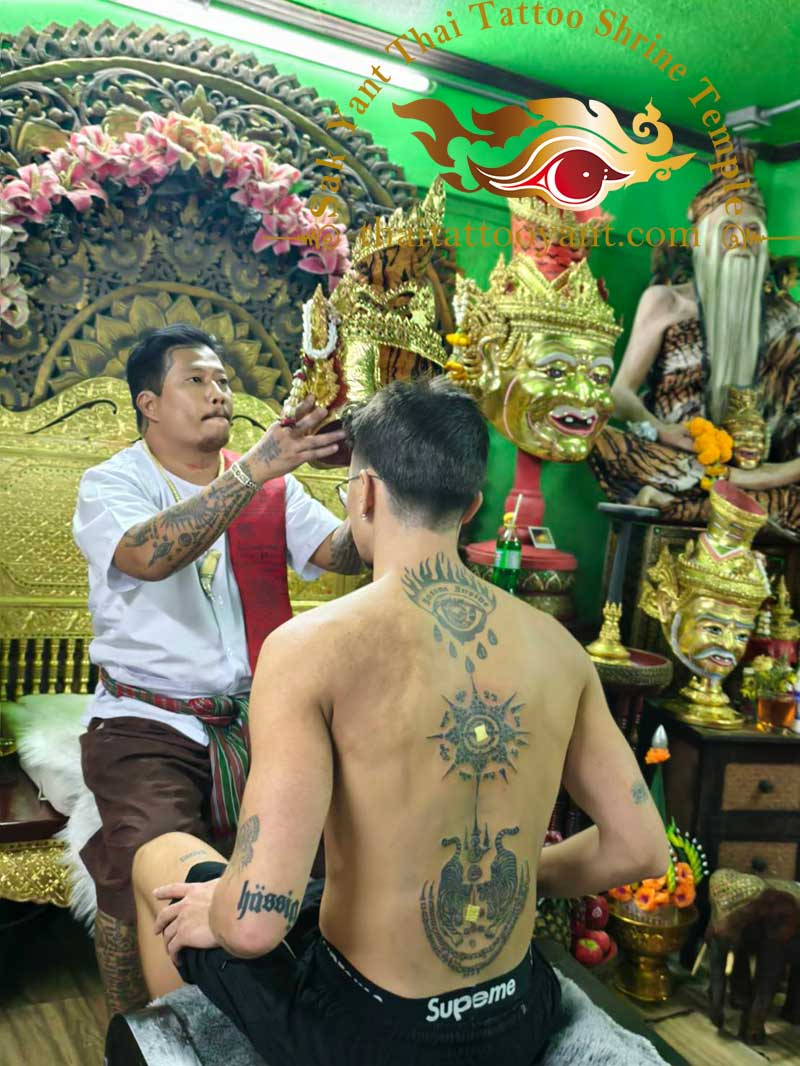
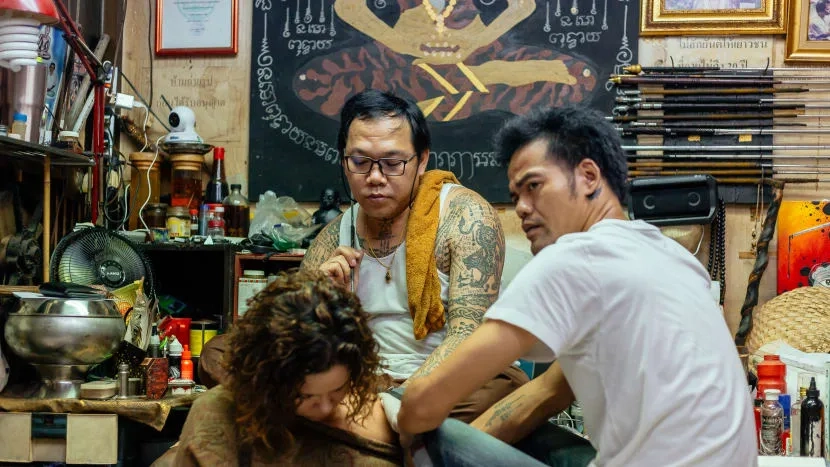
Inside the Samnak, those questions were answered not through lectures, but through experience. Watching an Ajarn prepare, observing the rituals surrounding the tattooing process, and listening to the stories behind the practice revealed that Sak Yant was never simply about receiving sacred ink. It was about participating, however briefly, in a living tradition shaped by responsibility, respect, and continuity. The experience carried a sense of purpose that could not be separated from the tattoo itself because the tattoo was only one part of the entire journey.
Perhaps that is why traditions like Sak Yant continue to endure despite living in an increasingly modern world. Their value does not depend on resisting change. It depends on preserving meaning. Bangkok continues to evolve with new skyscrapers, expanding transit systems, and emerging technologies, yet within that rapidly changing city, places like the Samnak continue to protect forms of knowledge that cannot simply be digitized or reproduced. They survive because they remain deeply human. Leaving the Samnak, I realized that I had spent months looking at symbols without understanding their language. The tattoos I had seen on motorcycle riders, market vendors, Muay Thai fighters, and office workers were no longer isolated images. They had become fragments of stories connected to faith, identity, discipline, and belonging. The ink had not changed. My way of seeing it had.
That may be one of the greatest gifts another culture can offer. It reminds us that understanding is not something we arrive with. It is something we earn through curiosity, patience, and the willingness to let our assumptions be rewritten. Only then do we begin to recognize that what once appeared ordinary has been carrying meaning all along. And nowhere was that more evident than in the people who dedicate their lives to ensuring these traditions continue long after they are gone.
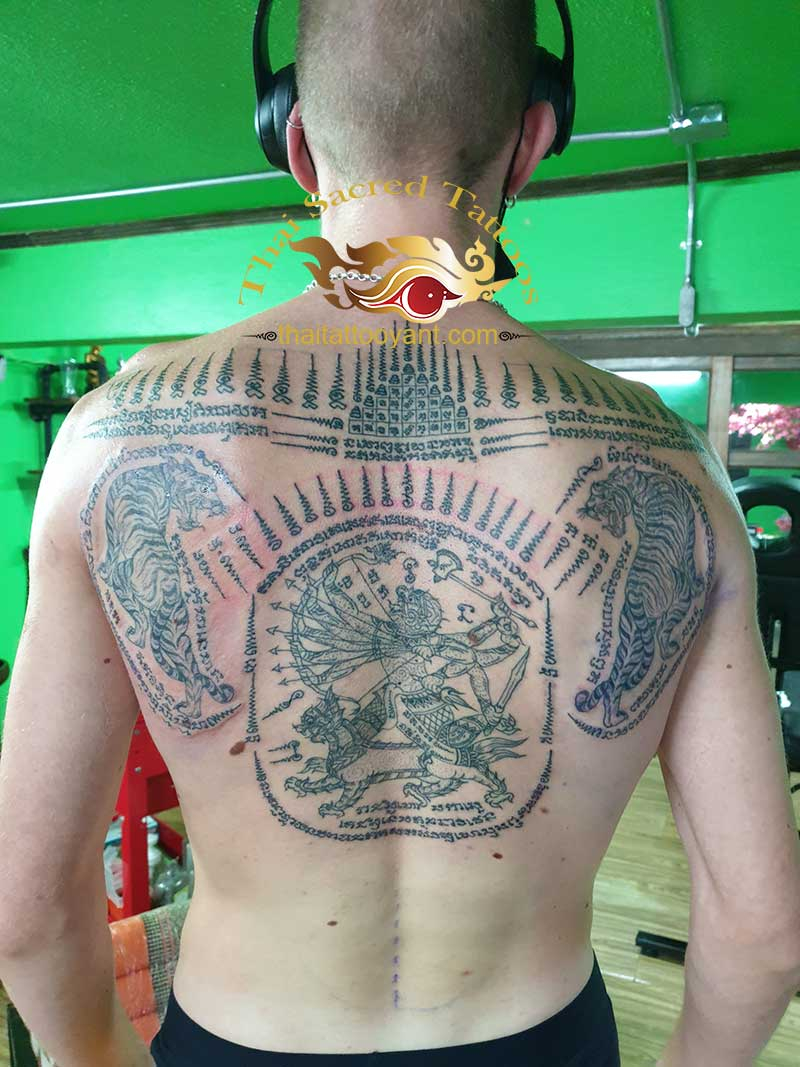
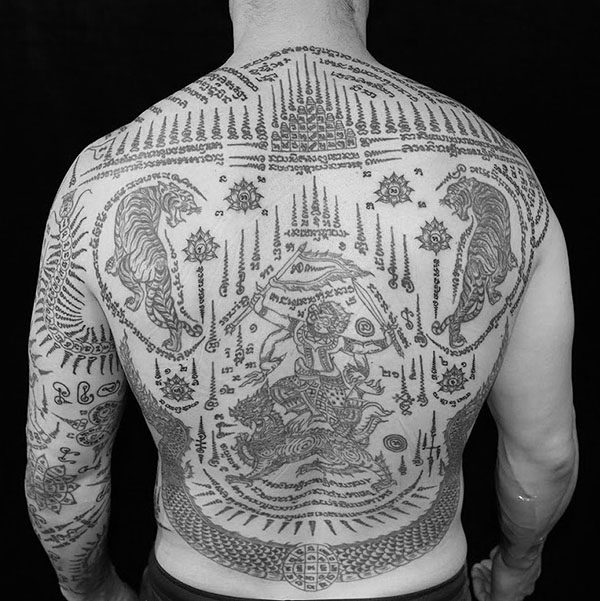
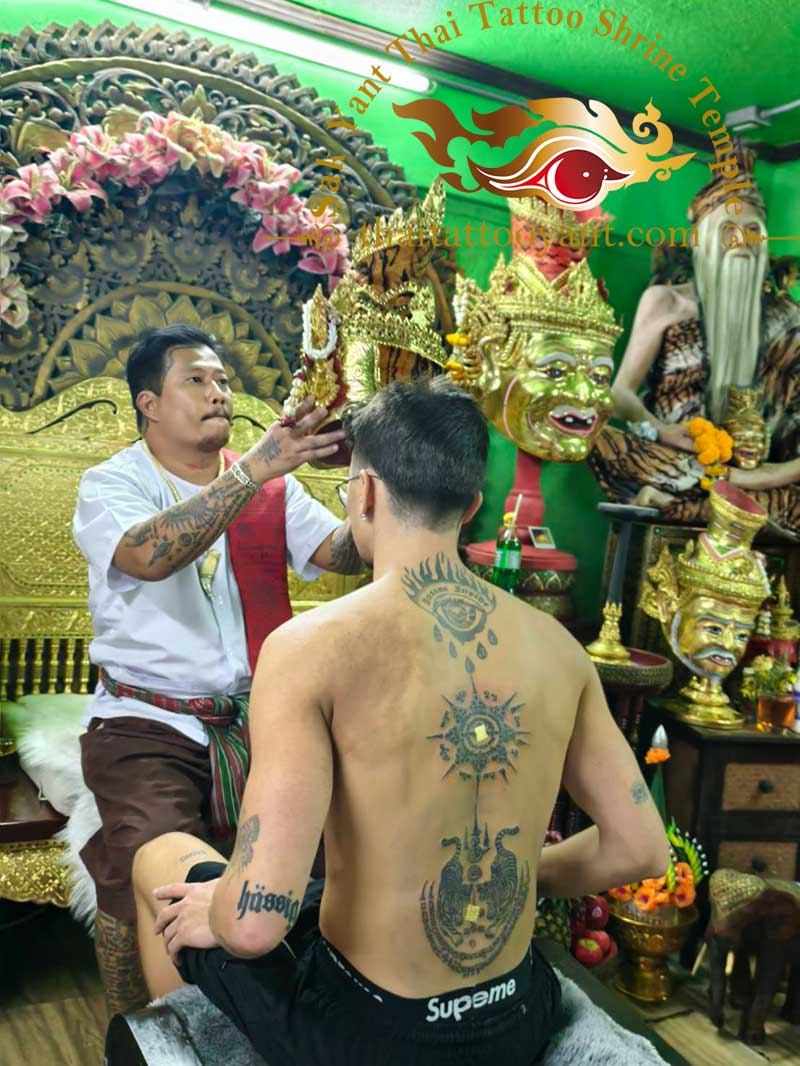
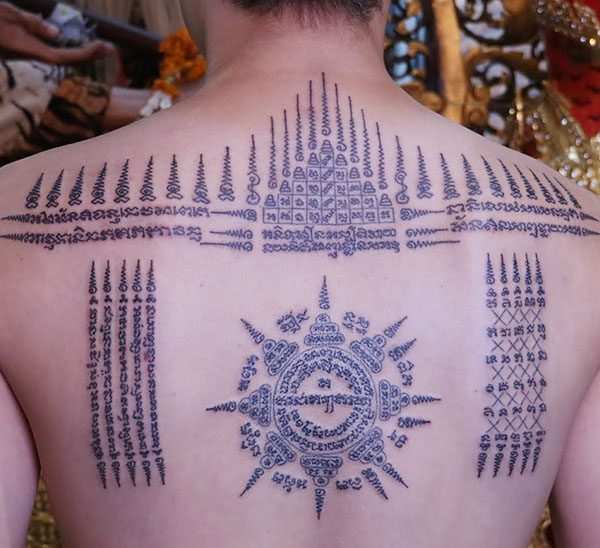
Sak Yant photography above isn't mine — sourced with thanks from:
instagram.com/p/DZg3hP7Aepp · waywardwayfarer.com/sak-yant-tattoo-thailand · forevervacation.com/bangkok-the-sacred-sak-yant-tattoo-tour · bangkok-ink.com/thai-tattoo-meanings-and-sak-yant-designs-part-1 · thaitattooyant.com/history-of-thailand-sak-yant-thai-tattoos
The people who carry traditions forward.
It is easy to admire a tradition. It is much harder to appreciate the people responsible for keeping it alive. We often speak about culture as though it exists independently of the people who practice it. We visit ancient temples, attend festivals, admire traditional crafts, and photograph ceremonies, forgetting that none of these things preserve themselves. Every tradition that survives into the present does so because countless individuals choose, day after day, to carry it forward. Without them, culture becomes history. With them, it remains alive. That realization became impossible to ignore inside the Samnak.
While Sak Yant is often recognized for its distinctive sacred tattoos, the practice itself extends far beyond the designs etched into the skin. At its heart are the Ajarns, the tattoo masters entrusted with preserving a lineage that has been passed from teacher to student across generations. Their role is not simply to create tattoos. They are custodians of a living tradition, responsible for safeguarding the rituals, knowledge, discipline, and values that give Sak Yant its meaning. Watching this process unfold changes the way you think about expertise.
Modern society often celebrates innovation. We admire people who disrupt industries, challenge conventions, and create something entirely new. There is undeniable value in that. Progress depends on curiosity and the willingness to rethink established ideas. Yet there is another form of expertise that receives far less attention. It belongs to those who dedicate their lives not to creating something new, but to preserving something irreplaceable.
Preservation requires its own kind of discipline.
It demands patience in a world obsessed with speed. It asks for consistency in a culture that constantly pursues novelty. It values continuity over reinvention, recognizing that some knowledge gains strength precisely because it has endured the test of time. The Ajarns embody this quiet commitment. Their work reflects years of learning, observation, and responsibility, not simply technical skill. Every blessing, every ritual, and every tattoo exists within a lineage much larger than the individual performing it. The practice is not about personal recognition. It is about ensuring that what was entrusted to one generation reaches the next without losing its meaning. This idea extends far beyond Thailand.
Every culture depends on people who choose preservation over convenience. They are the artisans who continue techniques their grandparents taught them. They are the musicians who perform songs that existed long before recording technology. They are the storytellers who pass history through spoken words, the elders who teach customs that were never written down, and the families who continue traditions even when modern life offers easier alternatives. These individuals rarely appear in history books. Yet history would look very different without them. Perhaps this is one of the greatest misconceptions about heritage. We often imagine it as something fixed, protected by museums, archives, or historical monuments. In reality, heritage is remarkably fragile. It survives because ordinary people continue practicing extraordinary acts of care. Every tradition exists only as long as someone chooses to remember it, teach it, and believe it remains worth preserving.
Walking through the Samnak, I realized I was not witnessing a relic of the past. I was witnessing a conversation between generations. The rituals were not performed for an audience. The prayers were not recited to entertain visitors. Nothing about the experience felt staged or designed to satisfy curiosity. Instead, everything reflected continuity. The people present were participating in something that would continue long after they had left, just as it had long before they arrived.
That continuity carries an important lesson. We often think traditions survive because they are old. The opposite is closer to the truth. Traditions survive because every generation decides they still matter. Age alone guarantees nothing. Countless customs have disappeared because no one remained willing to practice them. Others continue because someone accepted the responsibility of carrying them forward despite changing times and changing societies.
Bangkok itself illustrates this balance remarkably well.
It is a city defined by movement. New buildings rise where older ones once stood. Technology reshapes everyday life. Neighborhoods evolve, businesses change, and millions of people navigate a city that rarely seems to pause. Yet within that constant movement are places like the Samnak, where time appears to move differently. They remind us that progress and preservation are not opposing forces. A society can embrace the future while remaining deeply connected to its past.
Perhaps that is why the experience remained with me long after I left. I arrived expecting to learn about sacred tattoos. I left thinking about responsibility. The tattoos were visible evidence of something much deeper. They represented relationships between teachers and students, between knowledge and memory, and between generations separated by time but connected through shared practice. The ink itself was only one chapter in a much longer story. More importantly, I began to understand that every culture is sustained by people whose work often goes unnoticed. We celebrate monuments but rarely think about those who maintain them. We admire traditions without considering the lives dedicated to preserving them. We inherit culture without always recognizing the quiet labor that allows us to inherit it at all.
That realization changed the way I viewed Bangkok once again.
The city no longer felt like a collection of landmarks and neighborhoods. It became a living archive, sustained not by buildings or attractions, but by people whose daily choices ensure that the second story of the city continues to be told, one generation after another.
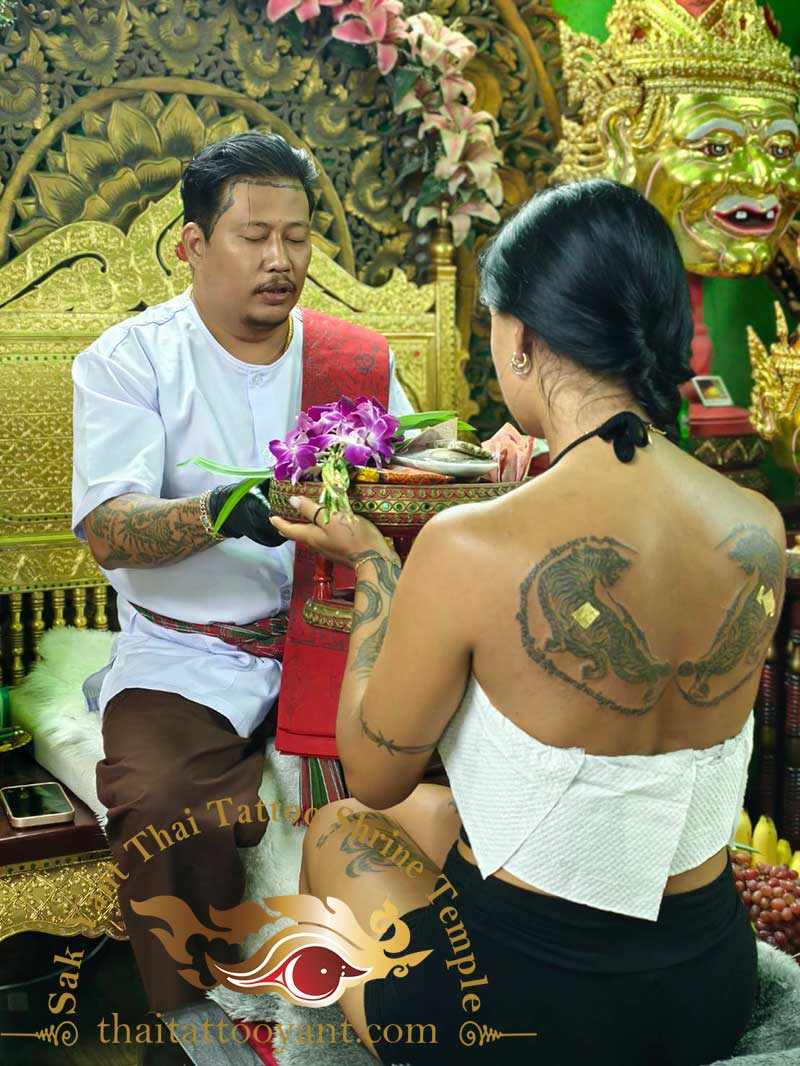
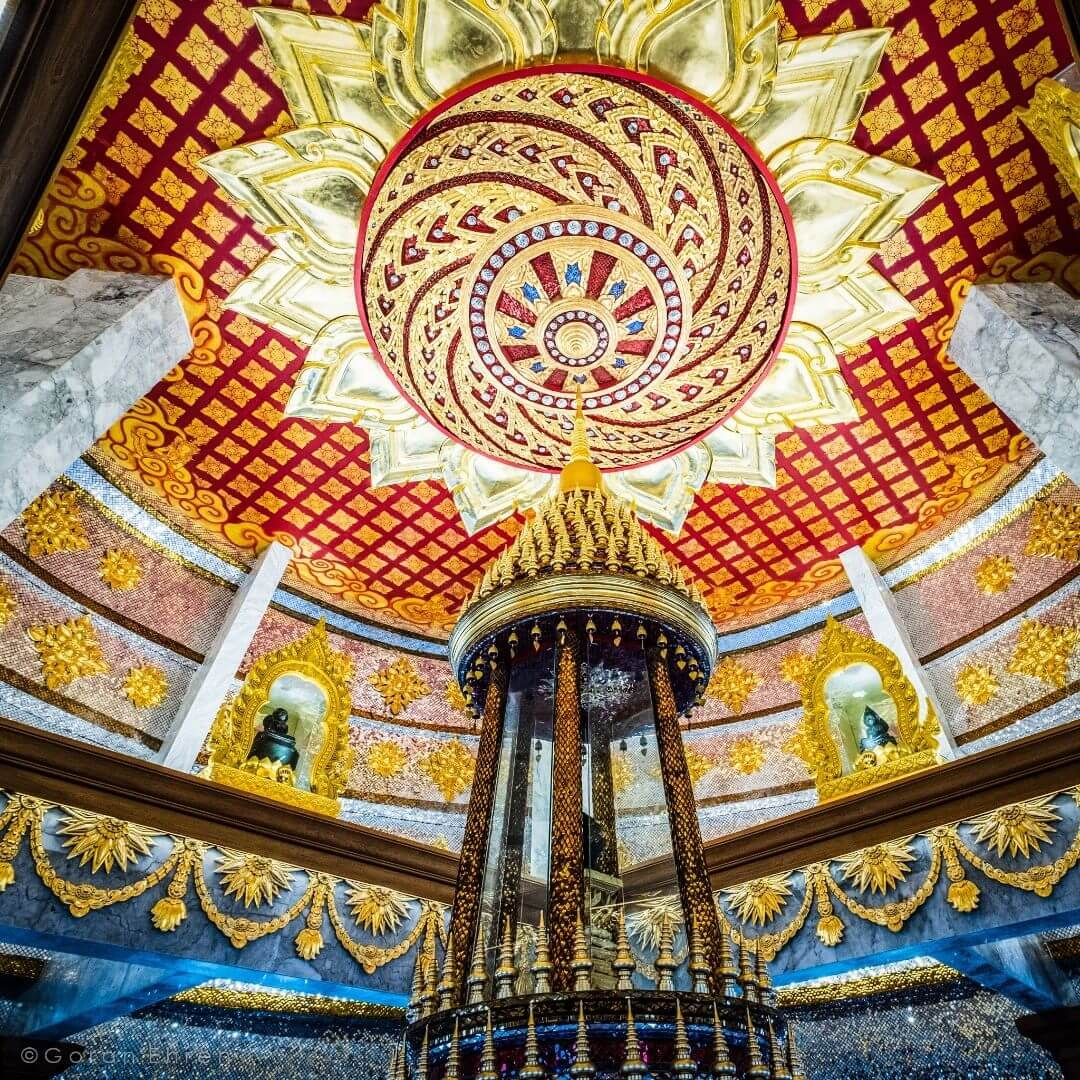
Sak Yant photography above isn't mine — sourced with thanks from:
instagram.com/p/DZg3hP7Aepp · waywardwayfarer.com/sak-yant-tattoo-thailand · forevervacation.com/bangkok-the-sacred-sak-yant-tattoo-tour · bangkok-ink.com/thai-tattoo-meanings-and-sak-yant-designs-part-1 · thaitattooyant.com/history-of-thailand-sak-yant-thai-tattoos
You leave the Samnak. You do not leave the lesson.
There is a peculiar moment that follows every meaningful experience of learning. Nothing around you changes. The streets remain the same. The buildings stand where they always have. People continue their routines, unaware that your understanding of the world has quietly shifted. The transformation is almost entirely internal. Yet because your perspective has changed, everything you encounter afterwards begins to carry a different meaning.
That was the experience of walking out of the Samnak. Bangkok was still Bangkok. The streets remained crowded with commuters weaving between food stalls and motorcycle taxis. The familiar rhythm of the BTS continued overhead. Markets opened before sunrise and stayed alive long after the evening heat had faded. The temples, cafés, apartment buildings, and quiet residential streets had not moved. From the outside, nothing appeared different.
But I no longer saw the same city.
The tattoos that had once blended into the background suddenly demanded my attention. A small geometric design on the arm of a motorcycle rider no longer appeared to be a decorative choice. A faded Yant on the shoulder of a market vendor hinted at a story I knew I would never fully understand. The ink on a Muay Thai fighter entering a gym became more than part of an athlete's identity. It represented lineage, belief, discipline, and tradition carried into everyday life. The symbols themselves had not changed. Only my ability to read them had. That realization extended far beyond Sak Yant.
It revealed how often we move through unfamiliar places believing we understand them simply because they have become familiar. We recognize the streets, learn a few local customs, and begin to feel comfortable. Comfort is valuable, but it is not the same as understanding. In many ways, familiarity creates its own blind spots. Once something becomes ordinary, we stop asking why it exists in the first place. The same is true of the people around us. How many lives do we pass every day without wondering what stories they carry? A shopkeeper arranging fruit before sunrise. A grandmother preparing food according to a recipe older than the building she lives in. A monk walking barefoot through the morning streets. A craftsman practicing techniques handed down through generations. We notice them, but rarely pause long enough to understand what they represent.
Travel often encourages this habit. We move quickly from one destination to another, measuring our experiences by the number of places visited rather than the depth with which we encounter them. We leave believing we have seen a country because we have photographed its landmarks. Yet the places that remain with us are rarely the ones we expected. They are usually the quiet conversations, unexpected invitations, and moments when someone allows us to step briefly into a world we could never have discovered on our own.
The Samnak became one of those moments.
It was not simply a place where I learned about Sak Yant. It became a reminder that every culture contains knowledge hidden in plain sight. Some of it is expressed through rituals. Some through language. Some through architecture, music, food, or family traditions. None of these things announce themselves. They wait patiently for someone willing to ask better questions. Perhaps that is the greatest difference between tourism and understanding.
Tourism often asks, "What is there to see?"
Understanding asks, "Why does this matter?"
Those two questions produce entirely different journeys. One collects destinations. The other collects perspective. As I continued walking through Bangkok in the days that followed, I found myself paying attention in ways I never had before. I listened more carefully. I observed more slowly. Instead of trying to explain what I was seeing through ideas I already understood, I became more comfortable admitting what I did not know. Curiosity replaced certainty, and the city became infinitely richer because of it.
That lesson extends well beyond travel. We bring assumptions into every new environment we enter. A workplace. A classroom. A neighborhood. A country. We interpret people through the experiences we already have, often without realizing that our understanding is incomplete. We assume we know what motivates others because their actions resemble something familiar. We mistake recognition for comprehension. Yet the most meaningful learning begins when those assumptions fail. It begins when we accept that another person's world may not fit neatly into our own understanding. It begins when we stop looking for confirmation of what we already believe and become willing to see something entirely different.
That is what Bangkok ultimately gave me. Not simply memories of a remarkable city or an appreciation for one of Thailand's most enduring traditions. It offered a different way of paying attention. It taught me that beneath every visible city exists another one, shaped by stories that cannot be photographed, translated, or reduced to a travel itinerary. The Samnak did not reveal all of those stories. No single experience ever could. What it revealed was something far more valuable. It showed me that every place carries meanings that only patience, humility, and genuine curiosity can uncover. Once you recognize that, you stop trying to see everything. Instead, you begin learning how to see differently. And that is a lesson that follows you long after the journey ends.

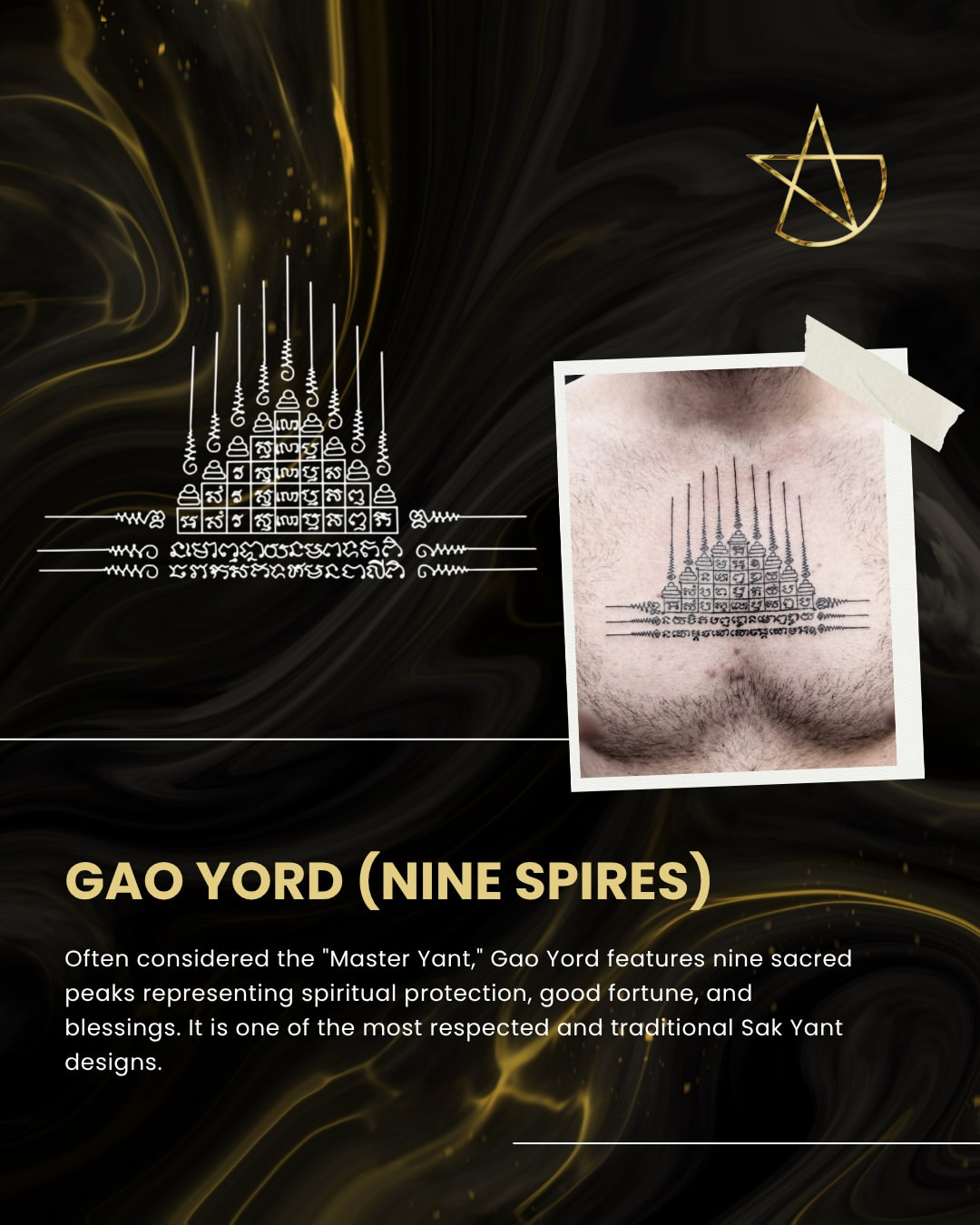
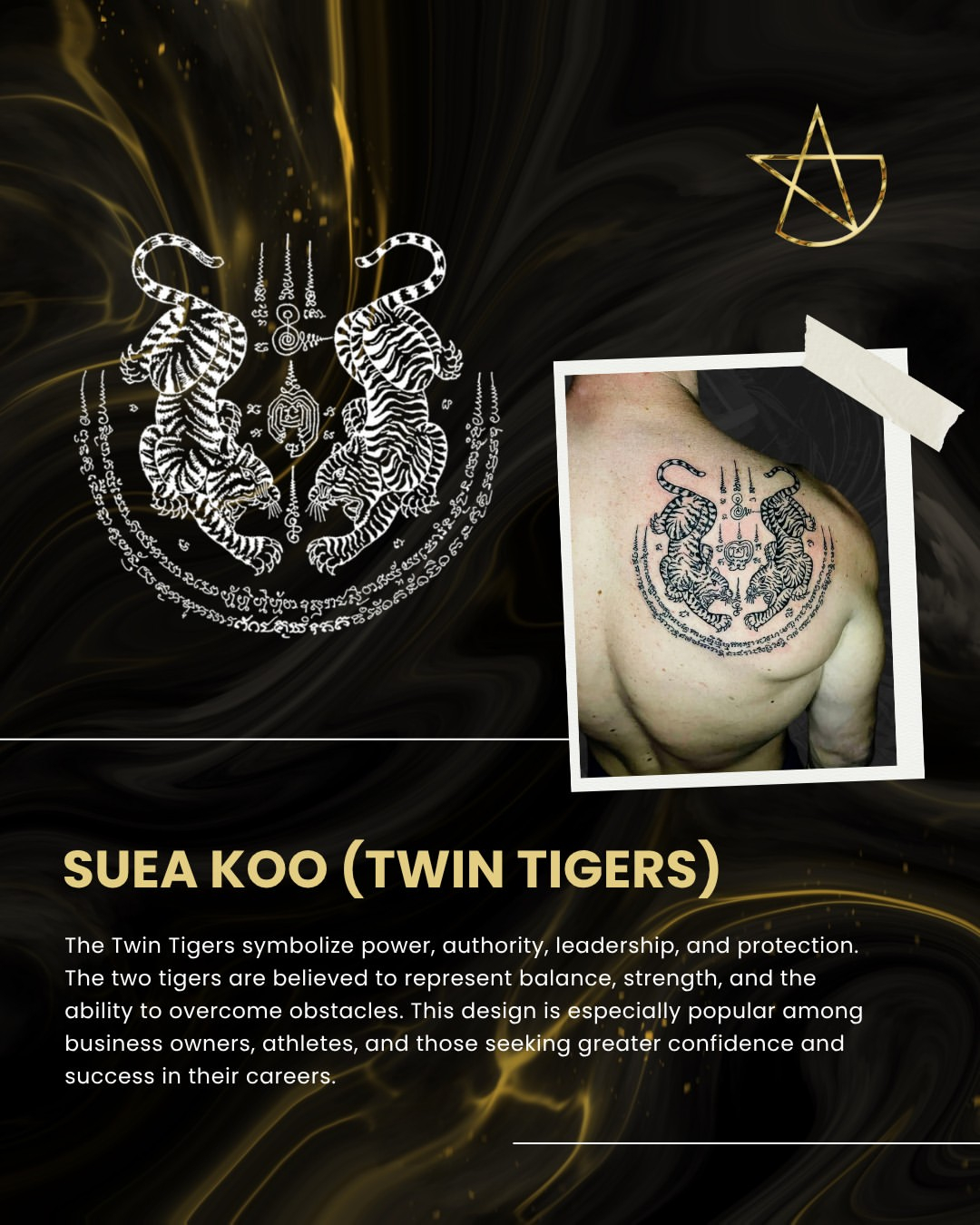
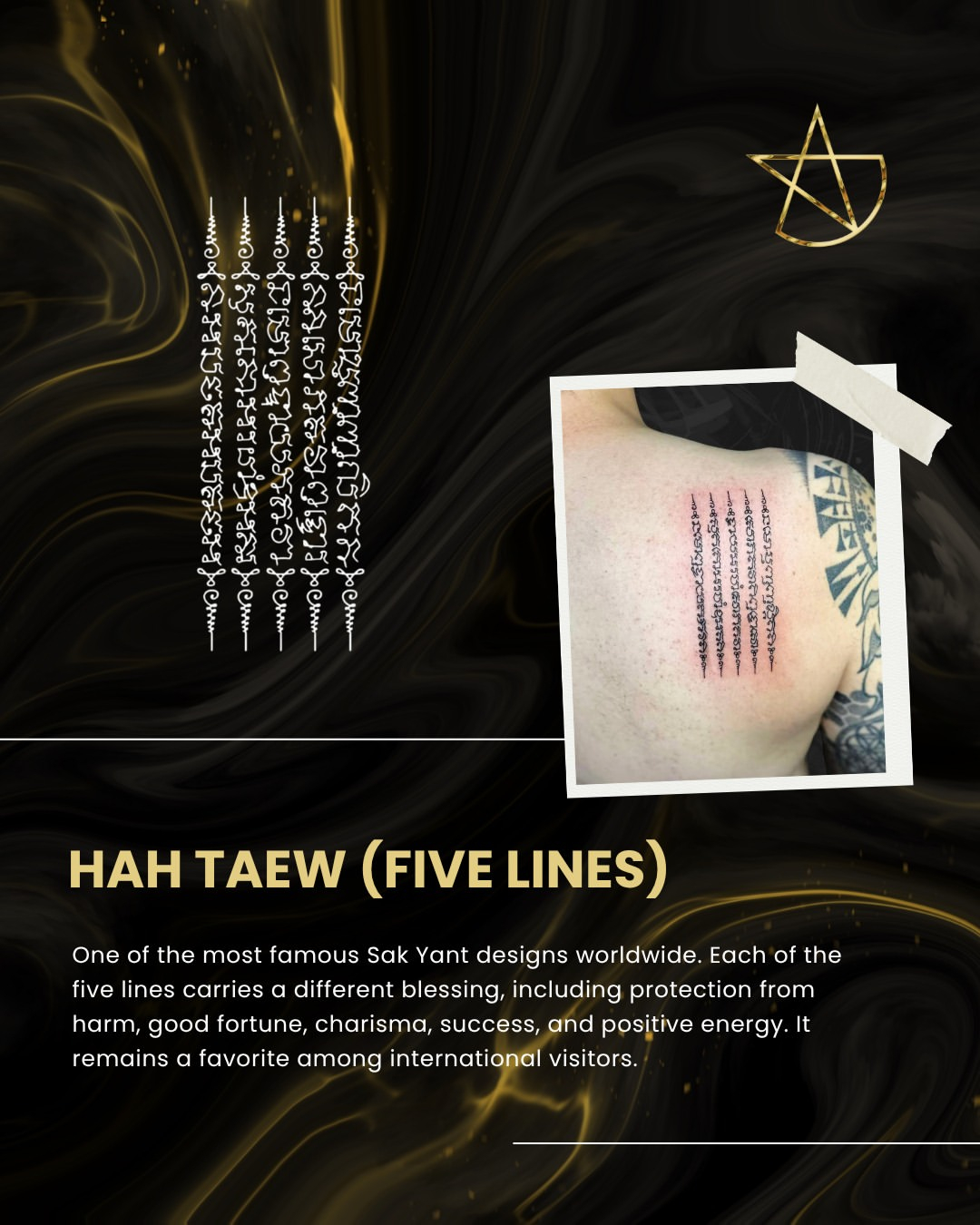


Sak Yant photography above isn't mine — sourced with thanks from:
instagram.com/p/DZg3hP7Aepp · waywardwayfarer.com/sak-yant-tattoo-thailand · forevervacation.com/bangkok-the-sacred-sak-yant-tattoo-tour · bangkok-ink.com/thai-tattoo-meanings-and-sak-yant-designs-part-1 · thaitattooyant.com/history-of-thailand-sak-yant-thai-tattoos
Every city has a second story.
When people ask what I remember most about Bangkok, they often expect a familiar answer. The temples. The food. The skyline. The markets. The energy that seems to flow through the city at every hour of the day. Those things deserve their reputation. They are beautiful, unforgettable, and deeply connected to Bangkok's identity. But as time passes, I find myself remembering something else. Not a place, but a way of seeing. Before arriving in Thailand, I believed travel was about discovering somewhere new. I thought the greatest reward came from standing in places I had never seen before, experiencing landscapes I had only encountered through photographs, and collecting memories that would last long after I returned home.
There is truth in that. But it is only the first story. The longer I spent in Bangkok, the more I realized that meaningful travel has very little to do with distance. It has everything to do with attention. You do not understand a place because you have walked its streets. You understand it because, somewhere along the way, you begin asking different questions. You become less interested in what makes a place famous and more interested in what makes it meaningful to the people who call it home. The Samnak became that turning point for me. I entered out of curiosity about Sak Yant. I left thinking about something much larger. The experience reminded me that culture is not preserved inside museums alone. It lives in ordinary people who continue traditions without expecting the world to notice. It exists in rituals repeated thousands of times, in knowledge passed quietly from teacher to student, and in practices that survive because every generation chooses to carry them forward.
Sak Yant was one expression of that truth, but it was never the only one. Looking back, I realize the article was never really about tattoos. It was about humility. There is a quiet confidence that comes with believing we understand the places we visit. We learn enough local phrases to navigate conversations. We recognize neighborhoods by name. We know which train to take and where to find the best meal after dark. Slowly, we begin to feel like insiders. Then a single conversation, a single invitation, or a single tradition reminds us how much remains invisible. That realization is not disappointing. It is liberating.
It frees us from the pressure of believing we have to understand everything immediately. Instead, it encourages us to become lifelong students of the places and people we encounter. Curiosity replaces certainty. Listening becomes more valuable than explaining. Observation becomes the beginning of understanding rather than its conclusion.
The more I think about it, the more I believe this lesson extends far beyond travel. Every workplace has a second story. Every family has a second story. Every community, every neighborhood, and every person carries experiences that remain hidden until someone takes the time to ask, listen, and learn. We often judge what we can immediately see because it feels complete. Yet the things that shape people most profoundly are rarely visible on the surface. The same is true of cities. Every city introduces itself through buildings, monuments, and streets. Those are the stories anyone can find. The second story is more patient. It lives in the traditions that continue without seeking recognition, in the customs passed quietly between generations, and in the symbols whose meanings are obvious only to those who belong. You cannot discover that story by moving faster. You discover it by slowing down long enough for the city to begin speaking in its own language.
Bangkok taught me that lesson. Not because it is unique, but because it was the first city that showed me how much I had been missing. The Samnak did not reveal every hidden tradition within Thailand, nor did it claim to. Instead, it changed the questions I asked. From that moment forward, every unfamiliar place became more than a destination. It became an invitation to look beyond what was immediately visible and to appreciate the histories, beliefs, and communities that quietly sustain everyday life. Perhaps that is the greatest gift another culture can offer. It does not simply teach you about itself. It changes how you experience everywhere else. Since leaving the Samnak, I have found myself approaching new places with greater patience. I notice details I might once have ignored. I ask more questions than I answer. I have become comfortable admitting that my first impression is only that, a first impression. More often than not, the most meaningful stories appear only after certainty gives way to curiosity.
That is why I believe every city has two stories. The first welcomes everyone. It is visible, accessible, and easy to admire. The second must be earned. It reveals itself slowly through conversations, traditions, rituals, and the generosity of people willing to share a small part of their world. It asks for nothing more than time, respect, and the humility to accept that looking and seeing are not the same thing. Bangkok gave me the privilege of discovering its second story through the Samnak and the sacred tradition of Sak Yant. The lesson, however, did not remain in Thailand. I have carried it with me ever since. Because once you learn that every city has a second story, you stop traveling in search of landmarks. You begin traveling in search of understanding.

This thought piece is sourced from Sacred Ink.
Everything above is the reflection behind the project. Sacred Ink began with the same walk through Bangkok and the same afternoon inside a samnak that shaped this piece. The experience came first. What you've read is the reflection. The journey tells the fuller story.
Read Case Study